
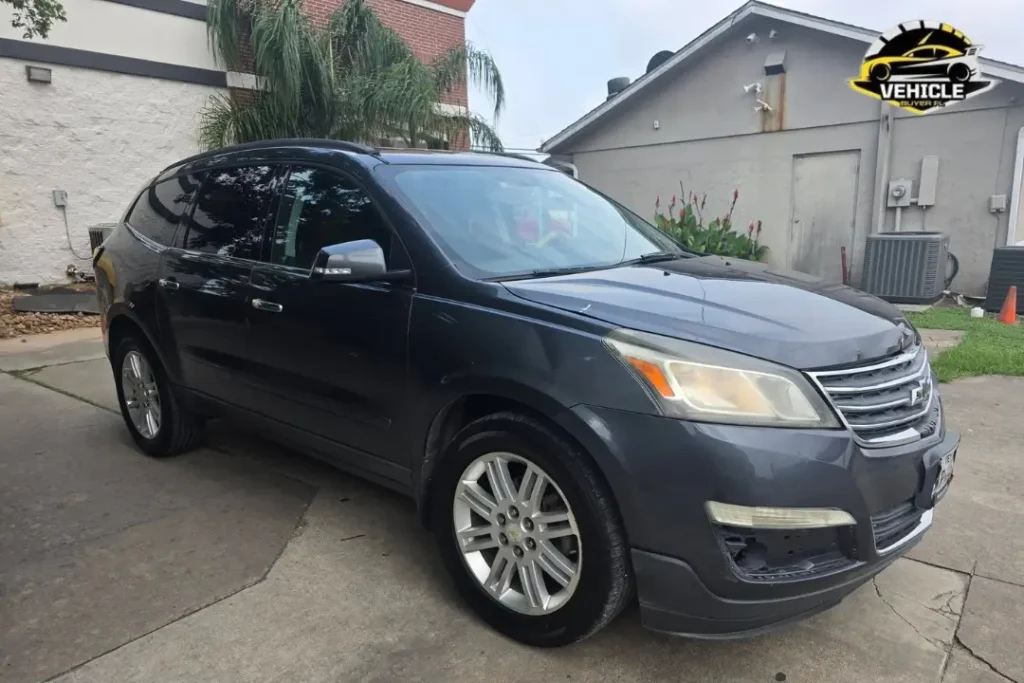
A car dying out of nowhere is one of those situations nobody really prepares for. One moment, everything feels normal, and the next, the engine refuses to start or breaks down completely in the middle of your routine.
If you’re in Florida, this situation can feel even more frustrating. The heat, humidity, and long-term wear from constant driving can speed up damage more than people realize.
So when your car finally gives up, you’re usually left with one question: Should I fix it, or is it time to move on?
The answer isn’t always emotional. In many cases, it comes down to simple practicality, and surprisingly, selling the car often turns out to be the better decision.
When Your Car Dies?
A “dead car” can mean different things depending on the situation. Sometimes it refuses to start completely. Other times, it starts for a moment and shuts off again. In more serious cases, it’s an engine failure or electrical breakdown that leaves the vehicle completely unusable.
The first reaction for most car owners is confusion.
You’re not sure if it’s a small fix or something serious. And that uncertainty is what makes the situation stressful.
In Florida, there’s another layer to it. High temperatures, salt in coastal air, and long daily commutes slowly affect engines, batteries, and electrical systems. So even if the car was running fine recently, breakdowns can feel sudden but they’re often the result of long term wear.
How to Figure Out the Problem Before Making a Decision?
Before making any move, take a moment to understand the situation, because not every breakdown means the same thing.
1. Identify Basic Problem Signs
Before jumping to conclusions, it helps to notice the early signs of what’s going wrong. If the car won’t start, makes unusual noises, or shows warning lights, those are clues you shouldn’t ignore.
Sometimes it’s something simple like a weak battery, a starter issue, or even a blown fuse. Paying attention to these small signals can save you from overthinking the problem or assuming the worst too quickly.
2. Minor Issue vs Major Failure
Not every breakdown means the same thing. Some problems are small and easy to fix, while others can point to something much bigger. A minor issue might be a battery replacement or a simple electrical fix.
But if you’re dealing with engine failure, transmission damage, or serious electrical faults, that’s a completely different situation. Those kinds of problems usually entail higher costs and greater uncertainty.
3. When a Quick Fix Is Possible vs When It’s Not
There are times when a quick repair makes perfect sense, especially if the issue is simple and affordable. But when the problem is deeper, repairs can turn into a chain reaction, revealing another problem with each fix.
That’s leading to costly repairs or non-running cars in your garage.
That’s when you need to pause and think beyond just “fixing the car.” A good way to look at it is this: if the repair cost is getting close to what the car is actually worth, it might not be the smartest decision to keep investing in it.
Repair vs Move On: The Decision Most People Struggle With
This is usually where people get stuck.
| Situation | What It Looks Like | What Actually Happens | What It Usually Means |
| Repairing the car | Feels logical and simple fix the issue and keep driving | One repair often leads to discovering another problem, especially in older cars | Costs can slowly add up beyond expectations |
| Florida conditions | Heat and humidity seem like normal weather factors | Over time, they quietly damage multiple systems in the car | Repairs may not fully solve underlying issues |
| Cost vs value comparison | Car seems “worth fixing” at first glance | Repair bills start getting close to the actual car value | Financially becomes less practical |
| Final decision point | Thinking “it’s just one more repair” | Total cost keeps increasing with no guarantee of long-term reliability | Moving on is often the smarter financial choice |
If you’re seeing repair costs stack up with no clear long-term fix, it’s often smarter to step back and consider selling, especially through a cash-for-car service, where you can skip the hassle and get a fair value quickly.
Why Cash-for-Car Services Make the Most Sense
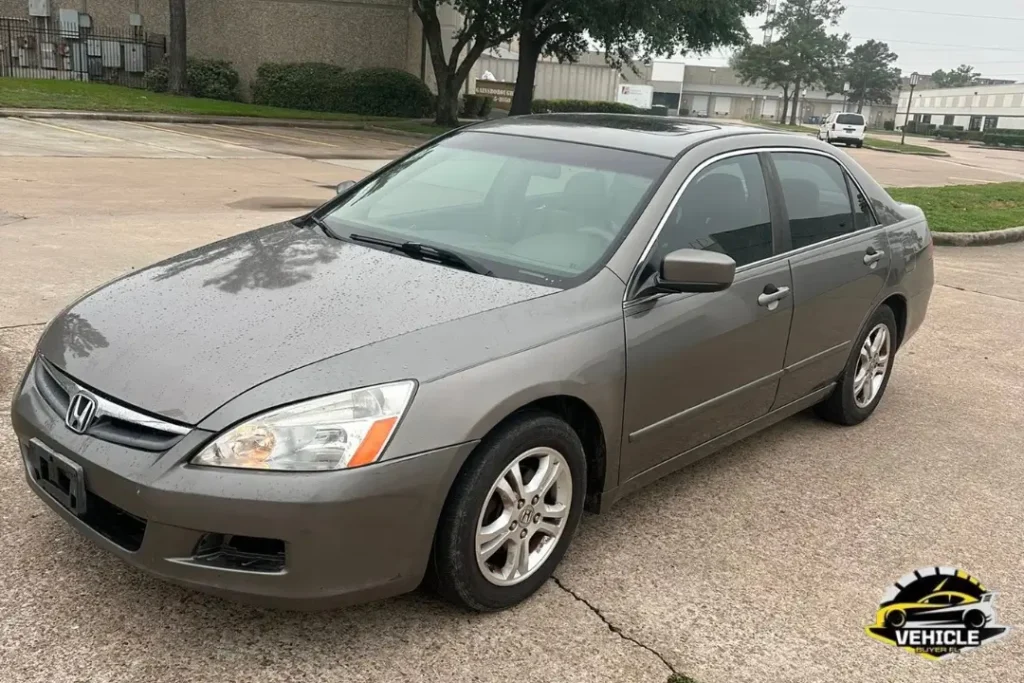
When a car dies, most people don’t want a long selling process. They don’t want listings, calls, negotiations, or waiting for buyers who may never show up.
That’s exactly where cash-for-car services come in.
These services are built specifically for situations like this:
- Broken cars
- Accident damaged cars
- Non-running vehicles
- Old cars that aren’t worth repairing
Instead of trying to fix the car or sell it privately, you simply hand it over in its current condition.
How Cash-for-Car Services Work
Here’s the cash for cars St Petersburg FL process usually works from start to finish:
1. Share your car details
You start by sharing a few basic details about your car, things like the make, model, year, mileage, and its current condition. Don’t worry about getting everything perfect, just describe it honestly. The more accurate you are, the easier it is for them to give you a fair and realistic estimate right from the start.
2. Get a quote
Once you’ve shared the details, the company takes a closer look at your car’s value. They usually consider both its resale potential and its scrap or parts value, depending on the condition. Based on that, they give you an offer, so you get a clear and realistic idea of what your car is worth right away.
3. Accept the offer
If the offer feels right, you can go ahead and proceed without any pressure. Take your time to compare it with other options or think it through properly before making a final decision. A good buyer will always give you space to decide what works best for you, not rush you into it.
3. Schedule pickup or inspection
Once you accept the offer, they typically handle the next steps by arranging a pickup at your location or scheduling a quick inspection. In most cases, towing is included, which means you don’t have to worry about moving the car especially if it’s not running.
4. Get paid
Once everything is confirmed, payment is usually made very quickly, often right on the spot or within a short time after pickup. There’s no unnecessary waiting, no chasing updates, and no delays in processing. It’s a simple, straightforward step that gives you closure and lets you move on without any hassle.
5. Complete the process
They usually handle most of the final steps for you, including paperwork and coordination. So instead of dealing with forms, calls, or back-and-forth communication, you can just focus on completing the deal and moving on without the extra stress.
Key Benefits of Cash for Cars
Instead of dealing with stress, delays, and repair costs, it helps to understand what you actually gain from choosing this option.
- No repair costs needed: You don’t have to spend money fixing or preparing the car before selling it. It’s usually accepted in its current condition.
- Fast and simple process: From quote to pickup, everything is handled quickly. In many cases, you can complete the deal the same day.
- No stressful selling process: You don’t need to post listings, answer constant buyer questions, or deal with negotiation back and forth.
- Instant or quick payment: Once the deal is confirmed, payment is typically made immediately or within a very short time frame.
- Free towing in most cases: If your car isn’t running, many services will pick it up at no extra cost, saving you additional hassle.
- Accepts all conditions: Whether the car is old, damaged, accident-affected, or completely non-running, it still has value.
- Clear, straightforward offer: You’re dealing with buyers who already understand broken or used cars, so you get a realistic price without confusion or unrealistic expectations.
Why This Option Works Especially Well in Florida
Florida has a very specific car environment. The weather alone creates long-term pressure on vehicles. Heat affects batteries and engines. Humidity leads to corrosion. Coastal air adds salt exposure.
And in some areas, flooding risk is always a concern. Because of this, cars tend to wear out faster compared to many other states. At the same time, there’s a strong demand for used parts and scrap vehicles. That means even broken cars still have market value.
So instead of spending money trying to revive an aging or damaged vehicle, many Florida car owners find it more practical to sell it quickly and move on.
Conclusion
A dead car doesn’t mean you’ve lost everything. It just means the situation has changed.
Trying to fix it can sometimes make sense, but in many cases, it quickly becomes more expensive and stressful than expected. That’s why selling, especially through cash-for-car services, often becomes the simplest and most realistic solution. Instead of sinking more money into repairs, you turn a broken vehicle into instant value and move forward without unnecessary delays.
In a place like Florida, where vehicles wear out faster and demand for used parts stays steady, this approach is not just convenient, it’s often the smartest financial decision you can make.
Frequently Asked Questions
Should I repair or sell a broken car?
It really comes down to repair cost versus what the car is worth. If fixing it costs too much compared to its value, selling usually makes more sense financially.
Can I sell a car that doesn’t run?
Yes, you can. Many buyers, especially cash-for-car services, regularly purchase non-running cars for parts or scrap value.
How fast can I sell a dead car?
With cash-for-car services, it can be very quick, sometimes within the same day. Once you accept an offer, pickup and payment are usually arranged fast.
Do I need to fix anything before selling?
No, you don’t need to repair anything before selling to a cash buyer. They typically accept the car in its current condition, whatever state it’s in.
Is cash-for-car better than private selling?
For broken or non-running cars, yes. It’s faster, hassle-free, and doesn’t require repairs, listings, or long negotiations with buyers.