
Cash for cars services are entirely legitimate and legal when operated according to applicable laws and regulations. In the United States, buying and selling used, damaged, and junk vehicles is an established industry with millions of vehicles changing hands each year.
Still, scams exist, so junk car owners should check the company, payment method, and title process before handing over a vehicle.
Read and learn how cash-for-car services work and how to spot a legitimate buyer.
What Is “Cash for Cars” and How Does It Work?
“Cash for cars” refers to a vehicle-buying service that purchases cars directly from owners and pays for the vehicle. The process usually starts with a vehicle quote based on details such as the make, model, mileage, condition, and location.
After reviewing the car, the company gives a final offer. If you accept, the buyer arranges pickup, completes the required paperwork, and provides payment.
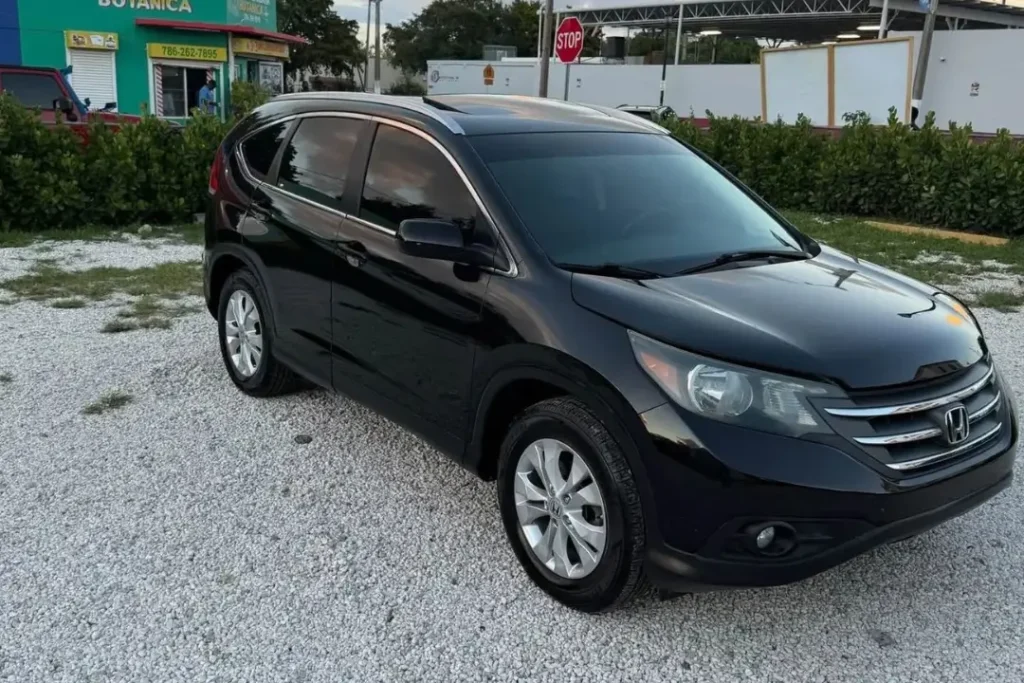
For example, you have an old, damaged Honda sitting in your driveway. You contact a cash-for-car company, receive an offer, accept it, and schedule pickup. They collect the vehicle, complete the sale, and pay you.
Is Cash for Car Service Legit in Florida?
These services are a legitimate way to sell a vehicle in Florida. The important point is choosing a legitimate buyer and completing the transaction correctly.
Florida law sets requirements for transferring vehicle ownership, including proper title transfer and recording the sale price on the certificate of title.
Junk car owners should also watch for common scams. The Florida Transportation Commission warns sellers about fake checks, overpayment requests, and buyers who pressure them into sending money back.
A legitimate cash-for-car company should explain its offer, payment, pickup, and paperwork clearly before the vehicle changes hands.
How Do Legitimate Cash-for-Car Companies Make Money?
A valid cash-for-car service makes money by finding value in vehicles beyond their current condition or appearance.
- Parts resale: Usable engines, transmissions, wheels, electronics, and other parts may be resold separately for profit.
- Scrap metal: Old vehicles contain steel, aluminum, copper, and other metals that recyclers purchase.
- Refurbishing: Some vehicles need repairs or cosmetic work before being resold to another buyer.
- Vehicle resale: Running cars with repairable issues may be fixed, cleaned, and sold at a higher market price.
- Recycling: Damaged vehicles may be dismantled, allowing valuable components and materials to enter the recycling market.
- Bulk operations: Established buyers may process many vehicles, making smaller profits on individual cars add up over time.
- Salvage value: Wrecked or non-running vehicles still have usable components and materials with measurable market value.
- Lower acquisition costs: Buyers purchase vehicles below their potential resale, parts, or recycling value to cover expenses and earn profit.
What Are the Warning Signs of a Cash-for-Cars Scam?
You must watch for these warning signs before accepting an offer, giving away your vehicle, or sharing important ownership documents.
No physical address
A buyer who refuses to provide a verifiable business address deserves extra caution. Legal companies should have clear contact information and a way for sellers to identify the business.
Search the company name, check its website, and look for consistent business details. Avoid buyers who only communicate through vague messages or disposable contact information.
Pressure tactics
Scammers may rush you into accepting an offer before you have time to ask questions. Statements such as “accept now” or “this offer expires immediately” should raise concerns.
A real buyer should give you reasonable time to understand the price, paperwork, pickup arrangements, and payment method before completing the transaction.
Payment after pickup
Be cautious when a buyer wants to take your vehicle before providing the agreed payment. This arrangement could leave you chasing money after the car is gone.
Confirm exactly when payment will happen and how you will receive it. Keep records of the agreement and sale paperwork for your protection.
High quotes with no inspection
An unusually high offer without asking about your vehicle’s condition may be designed to attract you. The price could change after pickup, leaving you with fewer choices.
A legitimate buyer should ask reasonable questions about the vehicle before confirming its value and clearly explain any conditions that affect the final offer.
How Do You Choose the Best Cash-for-Cars Company Near You?
Choosing a cash-for-cars company takes some research. Here are some tips to follow:
- Get multiple quotes: Request quotes from several buyers to compare potential offers for your vehicle.
- Check company details: Look for a verifiable address, phone number, website, and clear business information.
- Read customer reviews: Review recent customer feedback to identify repeated complaints or positive experiences.
- Compare the final offer: Look beyond the initial quote and confirm the amount you will actually receive.
- Ask about fees: Confirm that towing, paperwork, or other charges will not unexpectedly reduce your payment.
- Verify payment timing: Ask exactly when and how payment will be provided after accepting the offer.
- Consider local and national buyers: Compare established local companies with reputable national providers before making your choice.
- Review paperwork requirements: Ask what documents you need before scheduling pickup and completing the sale.
How Do These Companies Determine Your Car’s Value?
They consider several factors that affect how much a cash-for-cars company may offer for your vehicle.
- Make/model: Popular makes and models may have stronger resale, parts, or recycling demand in certain markets.
- Mileage: Lower mileage often increases value, while very high mileage may reduce the vehicle’s resale potential.
- Condition: Running, damaged, wrecked, or non-running vehicles have different values based on repair needs.
- Market demand: Current demand for your vehicle, its model, and its parts can influence the offer.
- Scrap/part value: Usable parts and recyclable metals can provide value even when the vehicle is no longer drivable.
What Documents Do You Need to Sell Your Car for Cash?
Generally, you will need these documents for a proper transfer of vehicle ownership in Florida.
- Certificate of title
- Valid photo ID
- Vehicle registration
- Odometer disclosure
- Bill of sale
- Lien release.
How Can You Verify a Cash-for-Cars Company Is Trustworthy?
We advise you to check the company before agreeing to sell your junk car. Start with recent customer reviews and ratings across several independent platforms.
Look for repeated complaints about payment, pickup, or changing offers. Verify the company’s business information, including its physical address and contact details.
Ask if the buyer holds any required Florida dealer license or other applicable credentials. Request written details covering the offer, payment, pickup, and paperwork before handing over your vehicle.
Florida’s motor vehicle rules require proper ownership-transfer documents, so a legitimate buyer should be willing to explain the process clearly.
Wrapping up
A cash-for-car service is legitimate when you choose a reputable buyer and understand the offer, paperwork, and payment process. Taking a little time to verify a company can protect you from scams and unexpected problems. A trustworthy buyer should make the selling process clear, simple, and honest.
We are a leading cash-for-cars service company in Florida, with years of experience and trust behind our work. If you want to evaluate and sell your junk car without unnecessary stress, contact us immediately. Our team is ready to provide a fair offer and make the selling process simple.