

A car sale doesn’t happen unless you transfer the title. Cause that’s what officially removes your name from the vehicle and makes the sale legal. If anything is filled out incorrectly or left incomplete, the vehicle can still be tied to you.
You can easily transfer the title to the buyer by signing it over. But sometimes the paperwork overwhelms both sellers and buyers. We took the hassle from both sides and did the hassle work beloved of you.
How do we do that? What documents do you actually need? Let’s answer all the questions about title transfer.
What Happens If You Don’t Transfer the Title Properly?
If you don’t transfer a vehicle title, it can lead to what’s known as “title jumping,” an illegal practice. Many sellers think that once the money is in their hands, the deal is finished. But legally, that’s not true.
If the title isn’t completed correctly and reported to the Florida Department of Highway Safety and Motor Vehicles, the vehicle can still be tied to your name. Even if someone else is driving it around Florida.
That can lead to problems you definitely don’t want. For example:
- Parking tickets or red-light camera violations are mailed to you
- Toll charges connected to your registration
- Liability issues if the vehicle is involved in an accident
- Collection notices for registration fees you didn’t know about
Another common issue is when a buyer delays the transfer of title. If they don’t complete their part at the tax collector’s office, the state may still show you as the last legal owner.
That’s why filing a Notice of Sale immediately after the transaction is important to protect yourself after selling. It officially updates your record and protects you from future responsibility.
Documents You Need to Transfer a Car Title in Florida
While doing cash for cars sarasota, we ask for bellow doc from sellers:
Original Florida Certificate of Title
The original Florida Certificate of Title is the most important document in the sale. This proves you legally own the vehicle and have the authority to transfer it.
You’ll need to complete the assignment section on the back of the title, including the buyer’s information, sale price, and odometer reading if required. In Florida, the seller’s signature must be notarized, so don’t sign it until you’re in front of a notary.
Valid Driver’s License or Photo ID
A valid government-issued photo ID confirms your identity as the legal owner listed on the title. This helps prevent fraud and ensures the transaction is legitimate. Both the seller and buyer should have proper identification when completing the paperwork or visiting the tax collector’s office.
Odometer Disclosure Statement
For vehicles less than 10 years old, federal and Florida law require an accurate odometer disclosure. This confirms the vehicle’s mileage at the time of sale and protects both parties from future disputes. Mileage can often be recorded directly on the title, but it must be recorded carefully and accurately.
Bill of Sale
While not always mandatory, a Bill of Sale is strongly needed to sell a car anytime. It documents the agreed purchase price, date of sale, vehicle identification number (VIN), and the names of both parties. This serves as an extra layer of protection if any questions arise later about the transaction.
Lien Release (If Applicable)
If there was ever a loan on the vehicle, you must provide proof that the lien has been satisfied. A lien release letter from the lender confirms there is no outstanding balance and that the vehicle can legally be transferred. Without this document, the title transfer cannot be completed.
Form HSMV 82040 (Title Application)
Form HSMV 82040 is the official Application for Certificate of Title With/Without Registration. The buyer typically completes this form when submitting paperwork to the tax collector’s office. It formally requests the new title in the buyer’s name and finalizes the transfer process.
If you have all these documents prepared, you can make a smooth transfer.
Transfer Your Car Title After Selling In 4 Steps
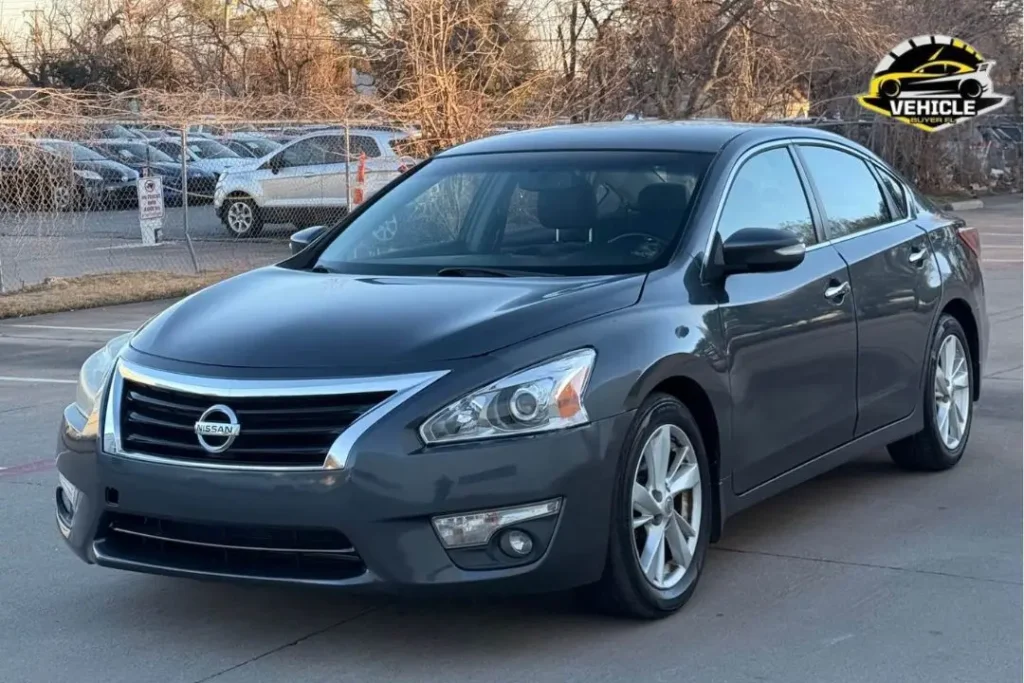
We help you transfer your car title in 4 steps:
Step 1: Complete the Title Assignment Section
You need to fill out the assignment section on your Florida Certificate of Title. You’ll need to write the buyer’s full name and address, the sale price, and the odometer reading if the vehicle is under 10 years old.
Once everything is filled in, the seller’s signature is required, and in Florida, it must be notarized. This step officially documents the transfer and makes it legally binding.
Step 2: Remove Your License Plate
The license plates stay with the seller, not the vehicle. Before handing over the keys, remove your plates. You can either transfer them to another vehicle you own or surrender them to the tax collector’s office. This protects you from any future parking tickets, toll violations, or legal issues that could occur after the sale.
Step 3: File a Notice of Sale
After signing the title and removing your plates, it’s important to file a Notice of Sale with the Florida Department of Highway Safety and Motor Vehicles.
This step officially notifies the state that you’ve sold the vehicle, shielding you from liability for anything the buyer does after the sale. You can submit the notice online or in person at a local office, depending on what’s easiest for you.
Step 4: Buyer Submits Paperwork
The final step is for the buyer to submit the required paperwork to the Tax Collector’s office. They will complete the title transfer application, pay the title transfer fee and applicable sales tax, and register the vehicle in their name.
Once this is complete, the ownership officially changes, and you are fully released from responsibility.
Where to Transfer a Car Title in Florida?
You need to visit one of the local Tax Collector branch offices to transfer car ownership, where staff can guide you through the paperwork and answer questions. It’s best to schedule an appointment to avoid long waits.
Florida also provides online services through the Florida Department of Highway Safety and Motor Vehicles for some steps, like filing a Notice of Sale, which can save time. However, the final title transfer and registration usually need to be completed in person.
To make the process smooth, here’s what you should have ready before your visit:
- Signed Certificate of Title with notarized seller signature
- Valid photo ID
- Odometer disclosure (for vehicles under 10 years old)
- Lien release (if applicable)
- Completed title transfer application form
Most title transfers are completed the same day if all documents are in order. Preparing everything in advance not only speeds up the process but also ensures your sale is legally protected and stress-free.
How Much To Transfer A Title In Florida?

A typical title transfer fee is between $75 to $86, but you might also see extra charges for registration, taxes, or any special services you need. On top of that, Florida adds a 6% state sales tax, and Sarasota County includes a small 1% surtax on the first $5,000 of the sale price.
However, the fees also change based on your transfer request, as in:
| Fee / Requirement | Amount / Details |
| Title Transfer / Duplicate Fee | $77.25 |
| Fast Title Fee (Same Day) | Additional $10.00 |
| Lien Recording Fee | $2.00 per lien |
| Penalty Fee (Transfer delayed >30 days) | $20.00 |
| Initial Registration Fee (if not transferring a license plate) | $225.00 |
| Vessels (Boats) | Title transfer $5.25, $10 penalty if not filed within 30 days |
Special Situations That Require Extra Steps
Here’s what you should know about the more complicated cases.
Selling a Car with an Active Lien
If your car still has a loan on it, you can’t transfer the title until the lien is cleared. This means the lender must confirm that the loan is fully paid off or provide a lien release. The buyer won’t be able to register the car without this document, so working directly with your lender early in the process prevents delays and protects both you and the buyer.
Lost or Damaged Title
If the original title is lost or damaged, you’ll need to request a duplicate from the Florida Department of Highway Safety and Motor Vehicles. Selling without a valid title isn’t legal, and the process can take time. So, it’s important to start this step before finding a buyer. A duplicate title ensures the sale can move forward without complications.
Out-of-State Title Transfer
Selling a vehicle with a title from another state adds a few extra steps. The buyer will usually need to bring the out-of-state title to the Florida County Tax Collector’s office along with a completed application for a Florida title. You may also need to provide proof of Florida insurance. These extra steps ensure the vehicle is properly registered under Florida law.
Gifting a Vehicle
When gifting a car to a friend or family member, you still need to complete the title transfer. Florida requires a completed title, bill of sale (even if the sale price is $0), and proof of insurance. Filing a Notice of Sale is also recommended to protect yourself from any liability after the gift.
Selling a Vehicle with a Salvage or Rebuilt Title
Vehicles with a salvage or rebuilt title have been damaged in the past and repaired. Selling these cars requires full disclosure to the buyer, and the title must reflect the salvage or rebuilt status. This protects you legally and ensures the buyer can properly register and insure the vehicle.
Common Mistakes to Avoid When Selling a Car
Here are some of the most frequent mistakes we seen sellers make:
- Forgetting notarization: In Florida, the seller’s signature on the title must often be notarized. Skipping this step can make the transfer invalid and leave you legally tied to the vehicle.
- Leaving sections blank: Incomplete titles or missing information, like sale price or buyer details, can delay the transfer and cause problems with registration.
- Not filing a Notice of Sale: This is important to officially notify the state that you no longer own the car. Without it, you could still be liable for tickets, tolls, or accidents.
- Accepting risky payment methods: Cash is safest, but accepting personal checks or unconventional payment methods can lead to fraud. Always verify funds before completing the sale.
- Letting the buyer delay title transfer: Even after the sale, if the buyer doesn’t submit the paperwork promptly, the vehicle may still appear under your name. Filing the Notice of Sale immediately protects you.
Warp up
Vehicle Buyer FL makes sure everything is done right so you can sell with confidence. Before handing over the keys. We make sure the title is signed and notarized, the odometer is correctly disclosed, a Notice of Sale is filed, and your license plates are removed. Verify your payment, and you’re done.
With our guidance, selling your car in Florida is fast, safe, and worry-free.
Frequently Asked Questions
Where do I sign the title when selling a car in Florida?
When selling a car, the seller must sign the assignment section on the back of the Florida Certificate of Title. Make sure to fill in the buyer’s information, sale price, and odometer reading if required. In Florida, the signature usually needs to be notarized, so don’t sign it until you’re in front of a notary or at the tax collector’s office.
Can you transfer a car title online in Florida?
Some steps, like filing a Notice of Sale, can be completed online through the Florida DHSMV website. However, the actual title transfer and registration typically need to be done in person at a County Tax Collector office, especially if it’s a private sale.
Can I get a copy of my car title online in Florida?
Yes, you can request a duplicate or replacement title online through the Florida DHSMV portal. This is useful if your original title is lost, damaged, or stolen. Keep in mind that fees apply, and processing may take a few days depending on your request.
What paperwork do I need to sell my car privately in Florida?
To sell your car safely, you’ll need the signed and notarized title, a Bill of Sale, proof of insurance, a valid ID, and an odometer disclosure if the vehicle is less than 10 years old. Having all these documents ready before meeting the buyer ensures a smooth, legal transaction.