
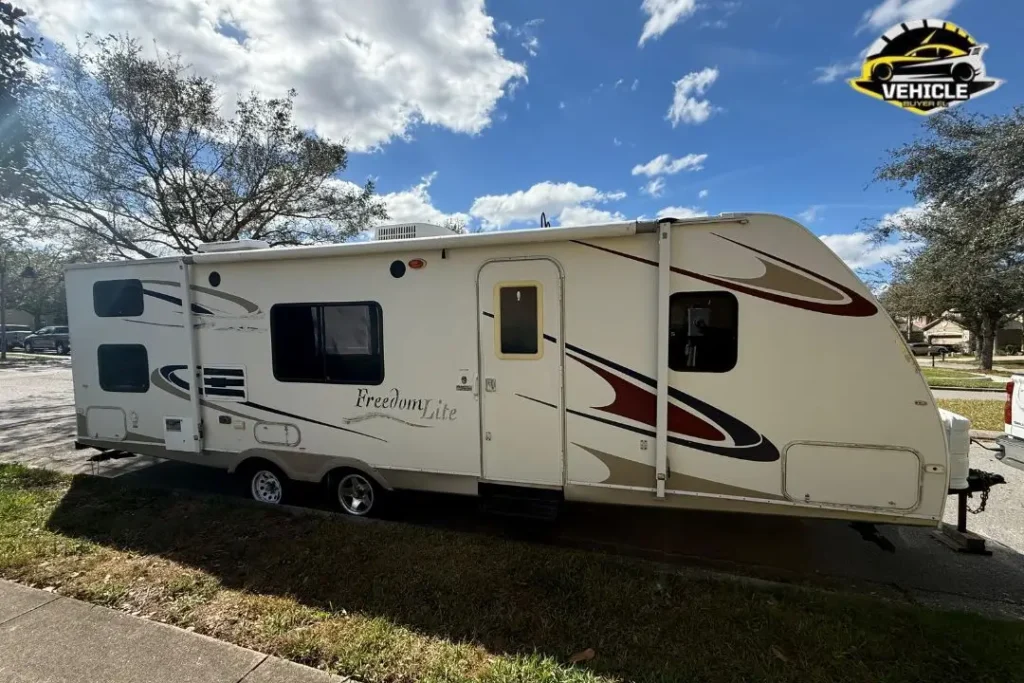
Selling an RV in Florida can feel easy. There’s always demand for motorhomes, campers, and travel trailers. But once you list it online, you quickly realize not every “buyer” is real. Since an RV is a high-value vehicle, it naturally attracts scammers.
That’s why you should sell your RV to a cash-for-car company like us to protect yourself. We won’t go around with prices or doc with you. We just ask some basic questions and need some basic info, and the deal is done.
What doc do you need to sell the RV? Let’s give you a clear idea.
Why Selling an RV in Florida Can Be Risky?
Selling an RV in Florida is risky because they attract scammers and time-wasters. That’s why it can even lead to legal complications if paperwork isn’t handled correctly.
On top of that, some neighborhoods like Lake Worth and Royal Palm Beach have restrictions on street parking for RVs. If you live in a community with an HOA, such as The Acreage or Jupiter Farms, the rules can be even stricter, sometimes completely banning visible RV parking.
That’s why, when selling RVs here, you may face those risks:
- Fraudulent buyers and online scams
- Legal liability after the sale
- Personal safety concerns
- Strict local zoning rules
- Consignment financial risks
So, you needed to be careful to get the right case.
8 Smart Ways to Protect Yourself When Selling Your RV
After hearing so many scam cases from locals, we suggest ways to protect yourself for intense:
1. Verify the Buyer’s Identity
Before agreeing to anything, make sure you know who you’re dealing with. Ask for a valid ID and confirm it matches the buyer’s information. Avoid anonymous inquiries and insist on talking over the phone. Because scammers often refuse calls and rely only on messages. Taking these steps upfront can save a lot of headaches later.
2. Never Accept Overpayments or Fake Certified Checks
A common scam in Florida is the overpayment trick: a buyer “accidentally” sends more than the asking price and asks for a refund. Similarly, counterfeit certified checks are a frequent problem. Always double-check any payment before handing over the RV or signing documents.
3. Use Secure Payment Methods Only
Stick to payment methods you can trust. Cash is the simplest and safest if you meet in person. Check for the services, certified checks, or verified wire transfers can also work, but always confirm the funds are cleared before transferring ownership. It’s kind of like cash first, then verified checks, then other secure methods.
5. Complete Proper Paperwork
Proper documentation protects you from future liability. Make sure to complete a Bill of Sale, Title Transfer, Odometer Disclosure, and Release of Liability. Florida requires these forms to be filed with the Department of Highway Safety and Motor Vehicles (FLHSMV) to finalize the sale legally.
6. Confirm Title Status Before Listing
A clean title proves that you fully own the vehicle and that no one else has a legal claim on it. If there’s an unresolved lien, selling the RV could lead to legal trouble or delays, leaving you stuck in a complicated situation.
This step is important because local buyers and consignment services will always request proof of clear ownership before completing a deal.
7. Avoid Sharing Sensitive Information Online
When listing your RV online, it’s tempting to post every detail to attract buyers. But sharing personal information can make you vulnerable to scams, theft, or identity fraud. Even photos can reveal identifying details if you’re not careful. Consider masking the VIN in photos and sharing the RV’s location only with verified buyers.
8. Consider Selling to a Licensed RV Buyer Instead
If handling all the safety checks, paperwork, and payments feels overwhelming, one of the smartest options is to sell your RV to a licensed professional like Vehicle Buyer FL.
We handle everything for you, from verifying buyers to completing all the legal documents. We even arrange safe pickup and towing of your RV if it isn’t running. Selling this way removes the risks of scams, fake payments, and complicated local regulations.
Should You Sell Your RV Privately or to a Professional Buyer?
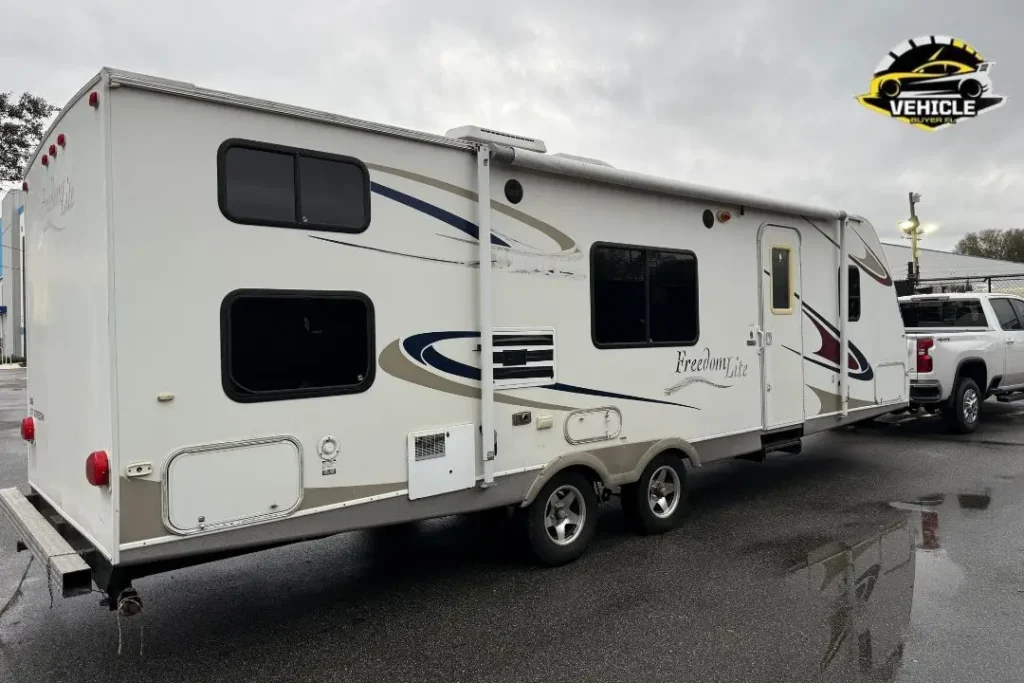
You should sell your Recreational Vehicle to a professional buyer. Even though private selling can get you a 20-25% cash return, there is a safety concern here. If you are concerned about safety more than RV value then an expert buyer is the right option.
Rather than that expert buyer is better then private sale in many ways as:
| Private Sale | Professional Buyer |
| Risk of scams | Secure transaction |
| Weeks/months | Same-day offer |
| Handle paperwork | They handle everything |
| Meet strangers | No public meetups |
| Negotiation stress | Guaranteed offer |
So with a buyer, you get a guaranteed cash offer, same-day pickup in Florida, and full handling of the sale from start to finish. It’s the safest, quickest, and most reliable way to sell your RV. It lets you focus on moving forward instead of stressing over potential risks.
Documents You’ll Need to Sell an RV in Florida
We usually ask for those documents as:
- Original Certificate of Title
- Bill of Sale (Form 82050)
- Odometer Disclosure
- Lien Satisfaction (if applicable)
- Photo ID
If you have those, then you can easily get a safe exit.
How Will I Draft A Bill Of Sale To Protect Myself Legally?
A Bill of Sale is one of the most important documents when selling an RV. It officially records the transfer of ownership and protects you if any disputes arise after the sale.
Here’s how to make sure your Bill of Sale covers everything you need:
1. Include Full Details of the Parties:
Write the full legal names, addresses, and contact information of both the seller (you) and the buyer. This ensures it’s clear who is responsible for the RV and prevents any confusion later.
2. Describe the RV Clearly:
It’s best to include the make, model, year, VIN (Vehicle Identification Number), license plate number, and current mileage. Add any identifying features or modifications. This level of detail protects you if the buyer later claims a different vehicle was sold.
3. State the Sale Price and Payment Method:
Clearly write the agreed-upon price and specify the payment method (cash, certified check, or escrow). If the buyer is paying in installments, outline the schedule. This prevents misunderstandings and helps prove payment in case of fraud.
4. Include Condition and Disclosures:
Describe the RV’s condition honestly, noting any flood damage, accidents, or mechanical issues. In Florida, failing to disclose known issues can lead to legal liability. Writing this in the Bill of Sale protects you by providing full disclosure.
5. Specify the Date of Sale and Transfer of Ownership:
State the exact date the RV is sold and when ownership officially transfers to the buyer. Include a clause stating that once signed, the buyer assumes all responsibility for the RV.
6. Include Signatures and Notarization:
Both parties must sign and date the Bill of Sale. While notarization isn’t always required. If you have a notary witness the signatures add an extra layer of legal protection, especially for high-value sales.
7. Keep Copies for Your Records:
Keep at least two copies, one for you and one for the buyer. Make sure they are stored safely, along with any receipts or proof of payment. These documents can protect you in case of legal disputes or DMV issues.
Steps To Sell Your RV Safely In Florida
Here is how you can sell your recreational vehicle to us:
Step 1: Contact Vehicle Buyer FL
You need to reach out either through the website or by phone. You’ll provide basic details about your RV, including the make, model, year, mileage, and current condition. This information helps the team prepare an accurate, fair offer.
You can also mention any extras, like slide-outs, awnings, or recent upgrades, which can affect your RV’s value. The initial contact is quick and hassle-free. You don’t have to worry about responding to endless emails or calls from strangers online.
Step 2: Get a Free Cash Offer
Once the team reviews your RV information, we provide a no-obligation cash for cars West Palm Beach. This offer is based on the current market value, your RV’s condition, and local demand in Florida and Palm Beach.
Unlike private sales, there’s no guessing whether buyers will negotiate down or try to trick you. You’ll know exactly what your RV is worth upfront, giving you peace of mind.
Step 3: Schedule an Inspection and Pickup
If you accept the offer, the next step is to schedule an inspection and pickup time. The team will come to your location. Our team checks the RV’s condition on-site and finalizes the valuation. This saves you the hassle of driving the RV anywhere or worrying about strangers showing up at your home.
Step 4: Complete the Paperwork
Our teams handles all the legal documents for you. This includes the title transfer, Bill of Sale, Odometer Disclosure, and any necessary FLHSMV forms.
They ensure every document is completed correctly so you’re fully protected from liability after the sale. You don’t have to worry about missing signatures, confusing DMV procedures, or potential legal issues; everything is professionally handled.
Step 5: Receive Cash on the Spot
After all the paperwork is complete, you receive cash immediately. No waiting for checks to clear, no risk of fake payments, and no complicated bank transfers. It’s a secure, transparent transaction where you know exactly what you’re getting and when.
Step 6: We Handle the Towing
If your RV isn’t operational or you prefer not to drive it, Vehicle Buyer FL provides free towing. The team safely removes the RV from your property and transports it, so you don’t have to deal with logistics or arrange your own transport. This step ensures a completely stress-free sale from start to finish.
Conclusion
Selling an RV in Florida doesn’t have to be stressful or risky. Between scams, legal requirements, and local parking regulations, private sales can quickly become complicated. But if you work with a licensed buyer like Vehicle Buyer FL, you eliminate these risks entirely.
Frequently Asked Questions
Is it safe to sell my RV privately?
Private sales are possible, but they come with risks like scams, fake payments, and unsafe meetups. Taking proper precautions and verifying buyers is essential to protect yourself.
Do I need to disclose flood or accident damage?
Yes. Sellers are legally required to disclose any known flood damage or accidents. Not doing so can lead to legal liability after the sale.
What documents do I need to sell my RV?
Commonly required documents include the RV title, Bill of Sale, odometer disclosure, lien release (if applicable), and a valid photo ID. Proper paperwork protects both the seller and buyer.
Can I sell an RV that isn’t running?
Yes. Non-operational RVs can still be sold, though transportation may need to be arranged. Some buyers offer pickup or towing services to simplify the process.
How quickly can I receive payment for my RV?
Payment timing depends on the buyer and payment method. Cash is typically fastest, while checks or transfers may take longer to clear. Always verify funds before transferring ownership.