
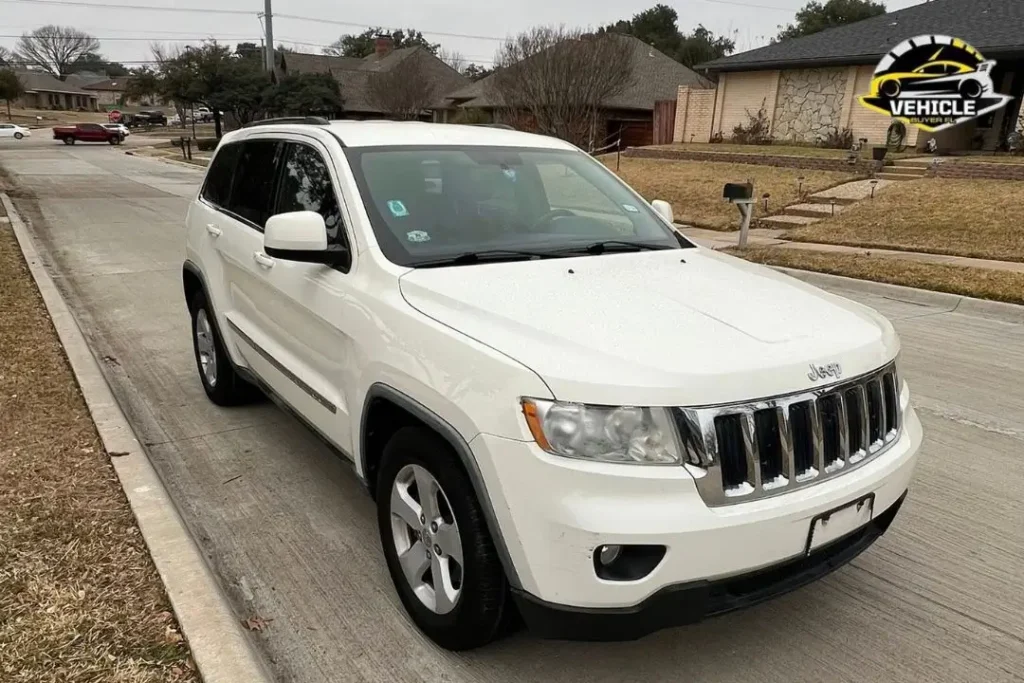
Most people don’t realize that a dead or non-running car can still be sold for cash. You don’t need to repair it or make it drivable. Buyers like us look at the car as it is now, not how it used to run.
To sell your car, you usually need the vehicle title with no active liens, a completed bill of sale, and a valid driver’s license to confirm your identity.
If your car isn’t worth repairing, the smarter move is often to sell it. Here’s what you actually need to know before you do.
Basic Things You Need to Sell a Car in Florida
We asked our sellers to show those documents:
1. Vehicle Title
The vehicle title proves you legally own the car and have the right to sell it. In Florida, you cannot complete a private sale without transferring the title to the new owner.
If your title is lost, damaged, or unreadable, you must apply for a duplicate through the Florida Department of Highway Safety and Motor Vehicles before selling. Processing times vary depending on whether you apply in person or by mail.
If there is an active loan on the vehicle, the title will show a lienholder. You must pay off the loan and obtain a lien satisfaction or lien release before ownership can legally transfer. Without clearing the lien, the buyer cannot properly register the vehicle.
2. Bill of Sale
Florida does not legally require a Bill of Sale in every situation, but it is strongly recommended for private sales. A proper Bill of Sale should include:
- Date of sale
- Purchase price
- Vehicle information, including VIN, year, make, and model
- Names, addresses, and signatures of both buyer and seller
This document protects both parties. If any dispute arises about payment or ownership, the Bill of Sale acts as written proof of the transaction. It also supports accurate tax reporting for the buyer.
3. Odometer Disclosure
For vehicles under 10 years old, federal and Florida law require an odometer disclosure. This confirms the mileage at the time of sale and helps prevent fraud.
In most Florida titles, there is a section where the odometer reading is recorded directly. The disclosure must include:
- The current mileage
- The date of sale
- Signatures of both buyer and seller
Even if the car is not running, accurate mileage reporting is still required.
4. Notice of Sale (Protect Yourself)
Sellers should file a Notice of Sale with the Florida Department of Highway Safety and Motor Vehicles immediately after completing the transaction.
This step is extremely important.
If the buyer gets into an accident, receives traffic tickets, or abandons the vehicle before transferring the title, you could remain linked to the car if the Notice of Sale is not filed. Submitting this notice updates the state record and removes your liability.
It can typically be done online or at your local tax collector’s office.
5. License Plates
License plates stay with the seller, not the vehicle. Before handing over the car, remove your plates. You can transfer them to another vehicle or return them to your local tax collector’s office if you no longer need them.
Leaving your plates on the car can result in fines or liability if the new owner commits violations.
6. Lien Release (If the Car Was Financed)
If your vehicle had a loan, you must provide proof that it has been paid off. This is usually done through a lien satisfaction letter from the lender. Without this document, the buyer cannot complete the title transfer. Taking care of this before listing the car prevents delays and protects both parties from legal complications.
7. Maintenance Records (Optional but Helpful)
While not required by Florida law, maintenance records can strengthen your sale. Providing service history such as:
- Oil changes
- Brake work
- Tire replacements
- Major repairs
It helps build trust with buyers. Even if the car is older or not running perfectly, showing maintenance history can justify your asking price and reduce negotiation pressure.
Vehicle Information You Should Have Ready
Besides those paper we also need some basic vehicle info as:
- Make, Model, Year
- VIN (Vehicle Identification Number)
- Condition Explanation
If you prepare these details ahead of time, you make it easier for cash buyers or licensed dealers to assess your car and make a fair offer.
What If You Don’t Have a Vehicle Title?
The vehicle title is the most important document when selling a car. It is like official proof that the car belongs to you. Without it, you can’t legally transfer ownership to someone else.
But what if you don’t have the title? Don’t panic! This happens more often than you might think.
So yes, selling a car without a title is possible if your car is dead or non-running. You just need to hire a reputable cash-for-cars buyer. It is often the easiest way to handle it. They know the rules, can help with paperwork, and make sure you still get paid fairly.
How To Sell Cars in Florida?
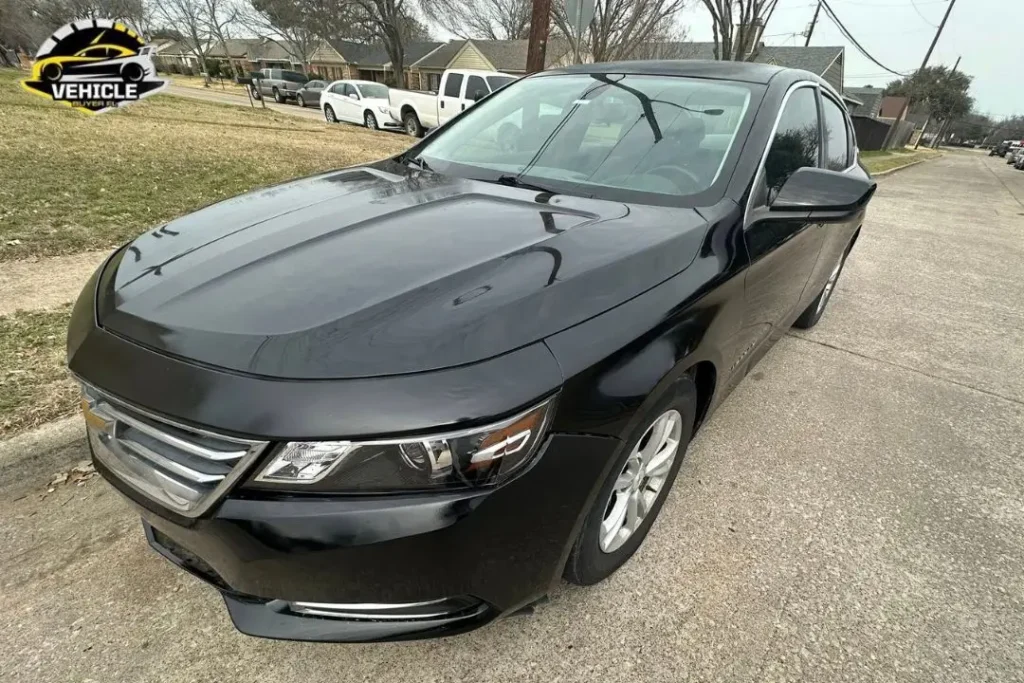
You can easily send your cars to us by following the steps:
Step 1: Contact Us With Basic Car Information
Start by giving us a few simple details about your vehicle. This includes the make, model, year, mileage, and its current condition.
Be upfront about any problems. Whether the engine is blown, the transmission is slipping, or the car will not start at all, honesty helps us give you the most accurate offer.
Even if your vehicle is completely non-running in Ocala or anywhere in Marion County, we can still evaluate it.
You do not need to repair anything before reaching out. We base our offer on the car’s real condition, including its parts value or scrap value. The goal is to keep the process simple and fair from the beginning.
Step 2: Receive Your Cash Offer
Once we review your vehicle information, we calculate a competitive cash offer based on its current value.
We do not expect a perfect vehicle. We focus on the car as it sits today, not how it used to run years ago. That means:
- No repairs required
- No inspections at a dealership
- No, towing it somewhere first
Our offers reflect the actual market value for used, damaged car, or dead vehicles in the Ocala area. Many sellers are surprised to learn their non-running car still has solid value.
Step 3: Schedule Pickup Anywhere in Ocala
After you accept the offer, we arrange pickup at your location. Whether your car is sitting near Interstate 75, parked off State Road 40, or in a neighborhood driveway anywhere around Ocala, you do not need to move it.
You do not have to:
- Call a tow truck
- Push the car into the street
- Find someone to help transport it
We handle the removal safely and efficiently. All you need to do is be present at the scheduled time and have your paperwork ready.
Step 4: Get Paid and Complete the Sale
At pickup, you receive payment on the spot. No waiting. No checks that take days to clear. You will hand over the vehicle along with any required documents, such as:
- The title
- A bill of sale if needed
- Lien release paperwork if applicable
Once the transaction is complete and you file your Notice of Sale through the Florida Department of Highway Safety and Motor Vehicles, you are no longer responsible for the vehicle.
That means no future tickets, no liability, and no stress.
The process is straightforward, local, and designed to help Ocala drivers move on quickly from cars that are no longer worth keeping.
4 Common Mistakes Sellers Should Avoid
After buying 10,000+ dead cars here, we see people making some silly mistakes. Common mistakes can worsen the situation and cost you money. Here’s what to watch out for:
1. Waiting too long for a dead car:
Some people hope their car will magically start working again or that they’ll find time to fix it. Meanwhile, the car is losing value each week. The longer you wait, the less cash you’ll get when you finally sell it.
2. Spending money on repairs that won’t add value:
Many sellers think they need to fix the engine, replace the transmission, or tow the car to a shop before selling. For dead cars, that often isn’t worth it. Repairs can run $3,000–$7,000, which is more than the car is actually worth. Selling “as-is” to a cash buyer is usually smarter.
4. Letting a car sit and lose value:
Even parked in a driveway or garage, a dead car depreciates over time. Weather, rust, and ongoing mechanical issues can reduce the car’s value the longer it sits. Getting a cash-for-cars buyer to take it off your hands quickly protects its value and saves you stress.
Final Thoughts
Selling a dead or non-running car does not have to be complicated. Even if your car will not start or needs expensive repairs, you can still get fast cash without the hassle of fixing it.
The best way is to work with a trusted cash-for-cars buyer who handles everything, including paperwork, pickup, and payment, so you do not have to worry.
Vehicle BuyerFL buys cars in any condition, no matter the problem, and pays top dollar on the spot. You get your car off your hands and cash in your pocket quickly and without stress.
Frequently Asked Questions
Can I sell a car that doesn’t have a title in Florida?
Yes, but it’s more complicated. You’ll need to apply for a duplicate title through the Florida DMV before selling. Some buyers, like cash-for-cars companies, may accept proof of ownership along with the application in progress.
Do I need to fix the car before selling it?
No. Florida law doesn’t require you to repair a dead car before selling it. Buyers who purchase cars for cash or parts often buy them as-is, so you don’t have to spend money on repairs.
Can I sell a car with a lien if it’s not running?
Yes, but the lien must be cleared before the title can be legally transferred. Cash-for-cars buyers usually coordinate directly with the lender to handle the payoff and release the lien, so you don’t have to.
How can I sell a dead car quickly?
The fastest way is to work with a cash-for-cars company. They handle towing, paperwork, and title transfer, even if your car is dead, non-running, or has a loan attached. You just provide basic information, and they take care of the rest.