
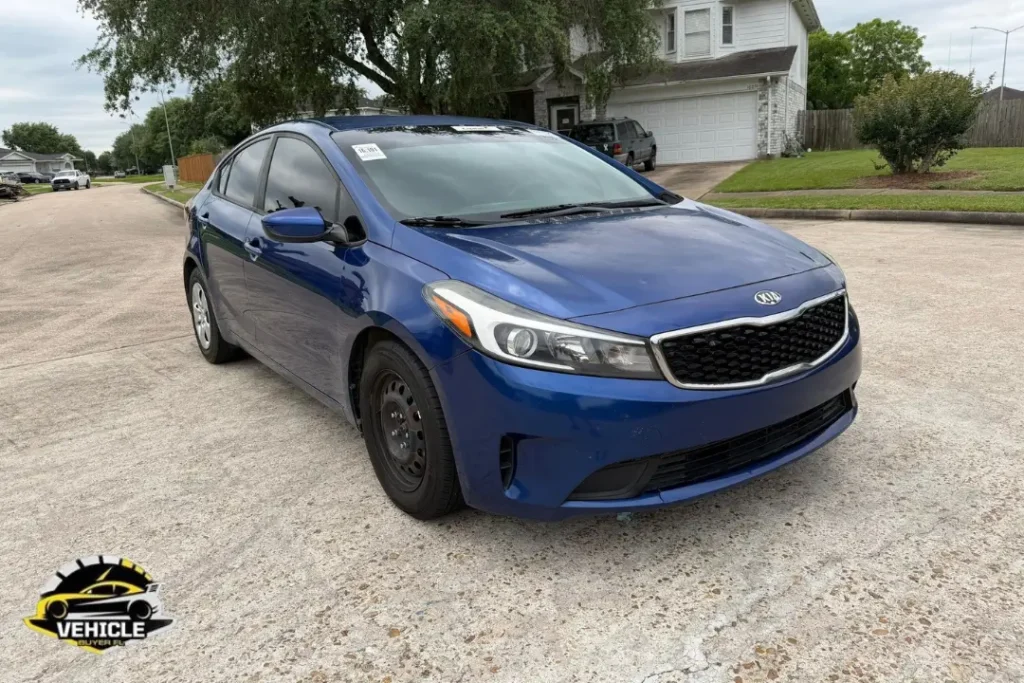
Still making payments on your car, but thinking about selling it? The good news is that you can absolutely sell a car with a loan in Florida. Many car owners sell financed vehicles before the loan is fully paid off, especially when upgrading to a new car, lowering monthly payments, or dealing with negative equity.
The process is a little more involved than a normal car sale because the lender still has a legal interest in the vehicle. That means the car loan payoff, lien release, and Florida vehicle transfer must be handled correctly before ownership can fully transfer to the buyer.
So, how can I sell my car that’s not paid off? Is it safe to sell loan cars? Well, it is safe if you do it correctly.
Can You Sell a Car You Still Owe Money On?
Yes, you can sell a financed car in Florida even if you still owe money on the loan. However, the process is slightly different because the lender or lienholder still has legal rights connected to the vehicle until the remaining loan balance is fully paid.
When a car is financed, the lender is usually listed as the lienholder on the vehicle financing agreement. In many cases, the lender also holds the title or keeps control of the Florida electronic title until the loan is satisfied.
Before ownership can fully transfer to a new buyer, the auto loan must be paid off and the lien release process completed.
That means the car owners still have to do:
- Requesting the exact loan payoff amount from your lender
- Paying off the remaining loan balance
- Receiving a lien release document
- Completing the Florida Title Transfer Process
- Transferring legal ownership to the buyer.
But it’s nothing new or impossible to handle. You can still use your loaned car with the right paperwork.
What Happens If I Sell My Car And I Still Owe Money On It?
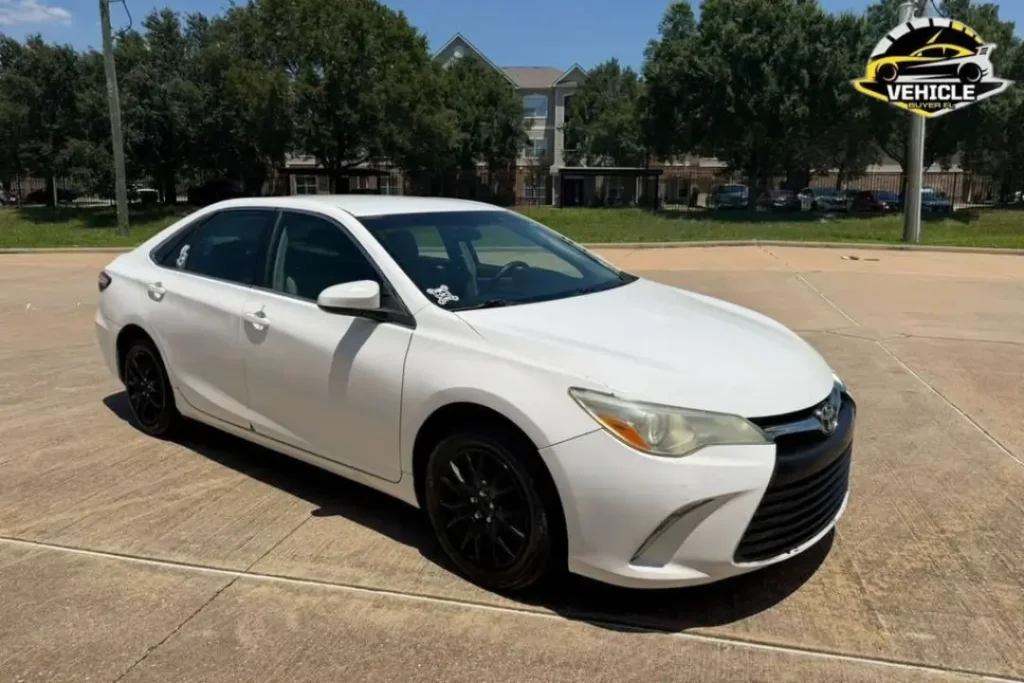
Here are the things that can trouble you if you sell loaned money:
1. The Loan Does Not Automatically Disappear
Selling the car does not cancel your auto loan. If there is still a remaining loan balance, the lender must be paid before the ownership can legally transfer to the buyer. Until the loan is fully satisfied, the lienholder retains legal rights to the vehicle.
2. The Lender Must Be Paid First
In most financed car sales, part of the buyer’s payment goes directly toward the car loan payoff. Once the lender receives the full payoff amount, they begin the lien release process and clear the title.
If the lender is not paid properly:
- The title cannot legally transfer
- The lien stays attached to the vehicle
- Ownership problems can happen later.
3. You Could Still Be Legally Responsible for the Loan
If the vehicle is sold incorrectly and the loan remains unpaid, you are still legally responsible for the debt even if the buyer already has the car.
This can lead to:
- Missed payment penalties
- Loan default issues
- Damage to your credit score
- Debt collection activity.
4. Problems Can Happen Without a Proper Title Transfer
In Florida, the title transfer process must be completed correctly through the DMV. If the title is not transferred properly, the vehicle may still legally remain under your name.
That can create serious issues such as:
- Parking ticket liability
- Toll violations
- Accident-related legal problems
- Registration complications.
5. Selling a Car Without Disclosing the Loan Can Create Legal Issues
Trying to privately sell a financed vehicle without informing the buyer about the active loan or lien can create trust and legal problems. Buyers usually expect a clear title, so hiding financing information can lead to disputes or canceled transactions.
Being transparent about the payoff process, lender involvement, and title release timeline helps protect both you and the buyer during the sale.
6. Negative Equity Can Leave You Owing Extra Money
If you owe more than the vehicle’s current market value, the remaining balance does not disappear after the sale. You must still pay the difference to fully close the loan.
This situation is called:
- Negative Equity
- Upside-Down Car Loan.
And, it is one of the most common financial challenges when selling a financed vehicle early.
Florida Documents Needed To Sell a Financed Car
Since the lender still has a lien on the vehicle, some additional paperwork is usually required compared to a normal private car sale.
Important documents typically include:
- Vehicle title certificate
- Lien release document
- Loan payoff statement
- Florida bill of sale
- Odometer disclosure statement
- Florida title transfer paperwork
- Vehicle registration documents
- Proof of ownership
- Valid photo identification
- Buyer and seller information
- VIN (vehicle identification number) details.
If the vehicle uses Florida’s electronic title system, the lender may handle part of the lien release process digitally before the title can officially transfer to the buyer.
How To Sell A Car You Still Owe Money On?
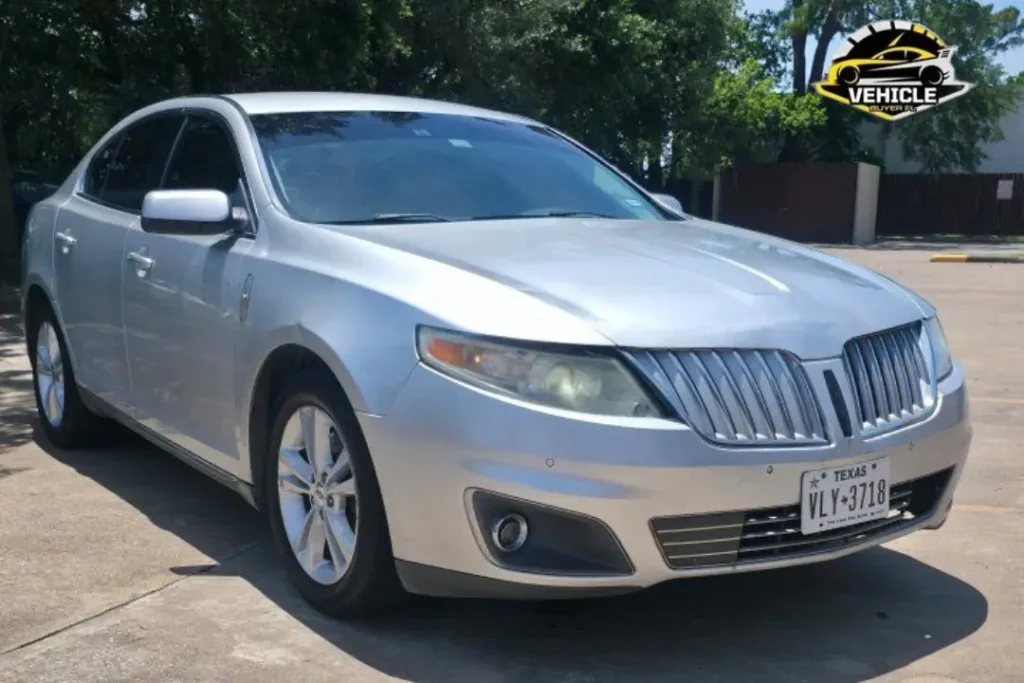
Here is how you can sell your finance car:
Step 1: Contact Your Auto Loan Lender
The first thing you should do is contact your lender and let them know you plan to sell the vehicle. They will provide the exact loan payoff amount. It may differ from your current balance because it may include interest or additional fees.
You should also ask:
- Where the vehicle title is held
- How the lien release process works
- How payments should be sent during the sale
- How long does the payoff process usually take
Getting this information early helps avoid delays later in the transaction.
Step 2: Determine Your Vehicle’s Market Value
Before listing the car, you need to know how much it is actually worth in the current market. This helps you understand whether you have positive equity or negative equity in the vehicle.
Many Florida sellers compare:
- Kelley Blue book value
- Cash for car value
- Private sale price estimates.
A private buyer transaction usually brings in more money. But it may take longer and require more paperwork.
Step 3: Decide Between Private Sale or Cash For Car
At this stage, you need to choose how you want to sell the vehicle. Some people prefer a dealership because the process is faster, and the dealer usually handles most of the paperwork and loan payoff coordination.
Others choose a private sale because:
- The selling price is often higher
- There is more room for negotiation
- It may help cover more of the remaining loan balance.
A cash for car is usually easier, while a private buyer transaction may help you make more money from the sale.
Step 4: Pay Off the Remaining Loan Balance
Once a buyer is ready, the remaining auto loan must be paid before the lender releases the lien and clears the title.
In many financed vehicle sales:
- The buyer sends payment directly to the lender.
- Part of the payment goes toward the loan payoff.
- Any extra amount goes to the seller.
For safety, secure payment methods are strongly recommended, such as:
- Cashier’s checks
- Bank-To-Bank transactions
- Lender-supervised payments.
This helps protect both the seller and buyer during the transaction.
Step 5: Complete the Florida Title Transfer
After the lender receives the payoff and issues the lien release, the Florida title transfer process can be completed. Ownership officially changes once the required paperwork is submitted through the Florida DMV system.
This usually includes:
- Florida title application paperwork
- Vehicle registration information
- Bill of sale documents
- Odometer disclosure forms.
Florida also uses an electronic title system in many cases, so the updated title may be processed digitally before the buyer receives the finalized ownership records.
Why Is Cash For Cars A Better Option For Selling Loaned Cars?
Cash for cars is the best option for selling loan cars because we have experience dealing with lienholders and financing. So, we make the process easy and worthwhile. Rather than that, it also benefits car owners because:
1. Faster Loan Payoff Process
One of the biggest advantages of using a cash-for-cars service is how quickly the loan payoff process can move. Many companies already work directly with banks, lenders, and credit unions.
So, they understand how financed vehicle sales work. We usually contact the lender, confirm the payoff amount, and help coordinate payment directly. This often significantly speeds up the lien release and title transfer process.
2. Less Paperwork and Stress
Selling a financed vehicle privately can become overwhelming because there is usually more paperwork involved than in a regular car sale.
We often simplify the process by handling title transfer paperwork, lien release coordination, and ownership transfer documents. This removes much of the stress and confusion, especially when dealing with electronic titles or active liens.
3. Lower Risk of Scams and Payment Problems
Private car sales always carry some level of risk, especially when large payments are involved. This becomes even more complicated when a lender still has legal rights connected to the vehicle.
Cash-for-cars services usually follow more structured payment procedures. This help reduce problems such as fake payments, fraud, title disputes, or unsafe buyer meetings. Since the lender also needs to be paid correctly, secure payment handling becomes extremely important during financed vehicle sales.
4. Easier Option for Cars With Negative Equity or Damage
Many private buyers hesitate to purchase financed vehicles, especially when the car has accident damage, mechanical problems, or negative equity.
We are often more flexible in these situations because they regularly buy vehicles in less-than-perfect condition. This can help Florida drivers who are struggling with expensive repairs, high monthly payments, or vehicles that are no longer worth keeping.
5. Faster Vehicle Pickup and Payment
Cash-for-cars services are usually built around convenience and speed. Many companies can inspect the vehicle, verify lender information, make an offer, and arrange pickup very quickly. Instead of waiting weeks for private buyers, negotiations, and test drives, sellers can often complete the transaction within a much shorter timeframe.
6. Better Convenience for Busy Sellers
Selling a financed vehicle privately often requires constant communication with buyers and lenders. You may need to explain the loan situation multiple times, schedule meetings, answer financing questions, and coordinate paperwork manually.
Common Mistakes To Avoid When Selling a Loaned Car
No matter what ways you take to sell finance loan car never make those mistakes:
1. Not Checking the Exact Loan Payoff Amount
Many sellers assume their remaining balance equals the official payoff amount, but lenders often include additional interest or fees. Selling the car without confirming the exact payoff amount can lead to payment shortages and delay the title release process.
2. Trying To Sell Without Contacting the Lender
Some people try to arrange the sale first and involve the lender later. This can create major problems because the lienholder still has legal rights tied to the vehicle. Contacting the lender early helps avoid title transfer delays and confusion during the transaction.
3. Ignoring Negative Equity
If you owe more than the vehicle’s market value, the remaining balance does not disappear after the sale. Many sellers underestimate the extent to which negative equity affects the transaction until they realize they still owe money after the vehicle is sold.
4. Accepting Unsafe Payment Methods
Financed vehicle sales involve large sums of money, increasing the risk of scams and fraudulent payments. Accepting personal checks or unsecured payment methods can create serious financial and legal problems if payments fail after the vehicle changes hands.
Final Thoughts
Selling a car with an active loan can feel overwhelming at first, especially when lenders, title transfers, and payoff amounts get involved. But once you understand the process, it becomes much more manageable.
If you’d rather avoid the stress of private buyers and paperwork, VehicleBuyerFL can make the process easier by helping with lender coordination, fast offers, and financed vehicle purchases across Florida.
Frequently asked questions
Does the lender keep the car title until the loan is paid off?
In many Florida financed vehicle loans, the lender keeps the title electronically through the Florida ELT system until the loan is fully satisfied.
Is it easier to sell a financed car to a dealership?
Yes, dealerships usually make the process easier because they often handle the lender payoff, title paperwork, and ownership transfer directly.
Can I privately sell a car with an active lien?
Yes, but the process is more complicated because the buyer, seller, and lender usually need to coordinate the payoff and lien release together.
How long does it take to get a lien release in Florida?
The timeline varies by lender, but many lien releases are processed within a few business days after the loan payoff is completed.
Can cash for cars companies buy financed vehicles?
Yes, many cash for cars companies regularly buy financed vehicles and work directly with lenders to handle the payoff and title transfer process.