

Selling a flood-damaged car in Florida is not automatically illegal, but failing to disclose flood damage is illegal and can lead to serious penalties. Florida law requires honesty, proper title branding, and accurate documentation when a vehicle has water damage.
This article explains whether it is illegal to sell a flood damaged car and what Florida law requires. It also covers how buyers check flood history and the safest way to sell a damaged vehicle for cash without risking fines or liability.
What Counts as a Flood-Damaged Car Under Florida Law
A flood-damaged car is any vehicle that has been submerged or exposed to water at a level that affects mechanical, electrical, or structural components. In Florida, this often happens after hurricanes, river flooding, or prolonged storm surges.
Even if a vehicle still runs, hidden corrosion and electrical failure can qualify it as flood-damaged under inspection standards.
Is It Illegal to Sell a Flood-Damaged Car Without Disclosure?
In Florida, selling a flood-damaged car without disclosure is illegal and considered fraud. Sellers must clearly inform buyers about any known or documented flood damage, even in private transactions. State law also requires the correct title branding when flood damage meets reporting thresholds.
Misrepresenting the condition, hiding water damage, or omitting history can lead to fines, lawsuits, or criminal charges. This applies whether you sell privately or through services like cash for cars Orlando, where licensed buyers expect full transparency. Proper disclosure protects you from liability and ensures the sale remains legal and safe.
What Florida Law Says About Selling Flood-Damaged Vehicles
Florida has strict rules for selling flood-damaged vehicles. These laws exist to protect buyers and hold sellers accountable. Many owners also choose trusted services that provide cash for SUV sales with full documentation.
Florida Flood Title and Disclosure Rules
Florida requires a flood or salvage title when a vehicle has sustained significant water damage. If flood damage is known, it must be disclosed to the buyer. Even private sellers are legally responsible for honest disclosure.
FLHSMV Requirements Sellers Must Follow
The Florida Highway Safety and Motor Vehicles (FLHSMV) requires accurate title branding and proper transfer paperwork. Sellers must report the vehicle’s condition truthfully during the sale. Failure to complete required documentation can leave the seller legally liable.
Penalties for Selling Without Disclosure in Florida
Selling a flood-damaged car without disclosure is considered fraud in Florida. Penalties may include fines, civil lawsuits, and criminal charges. Sellers can also remain liable for future damages if the buyer files a claim.
When Selling a Flood-Damaged Car Becomes Illegal
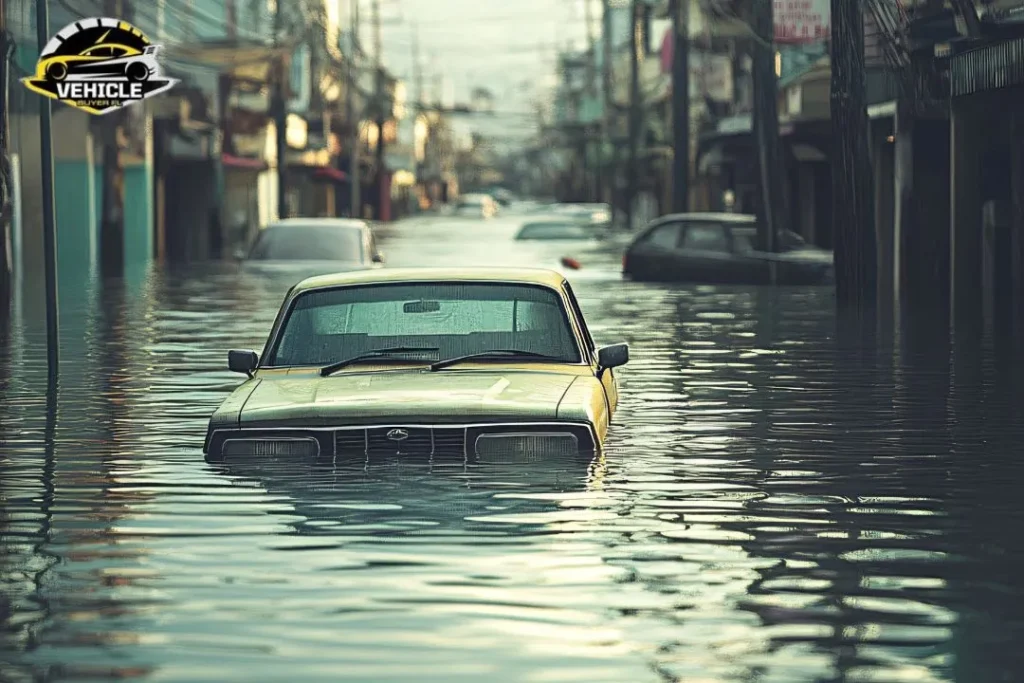
Florida law is strict because undisclosed flood damage puts buyers at serious financial and safety risk. Knowing exactly when selling a flood-damaged car becomes illegal helps you avoid fines, lawsuits, and criminal charges.
1. Hiding Known Flood Damage
Selling becomes illegal the moment a seller knowingly conceals flood damage. This includes failing to mention water intrusion, electrical issues, or mold caused by flooding. In Florida, intentional non-disclosure is treated as fraud, even in private sales.
2. Washing or Drying the Vehicle to Disguise Damage
Cleaning, drying, or deodorizing a flood-damaged car to mask signs of water exposure can be considered deceptive practice. These actions show intent to mislead a buyer. Florida regulators view this as active concealment, not a simple oversight.
3. Selling With a False “Clean” Vehicle History
Representing a flood-damaged vehicle as having a clean history is illegal when the seller knows otherwise. This includes claiming no flood damage despite insurance records, inspections, or prior title branding. False statements expose sellers to civil and criminal penalties.
4. Failing to Disclose Flood Damage to a Private Buyer
Private sales are not exempt from disclosure laws in Florida. Sellers must inform buyers of known flood damage regardless of whether a dealer is involved. Failure to disclose still counts as misrepresentation and carries legal consequences.
5. Transferring a Vehicle Without the Proper Flood Title
If a vehicle qualifies for a flood or salvage title, transferring it with a standard title is illegal. Florida requires correct title branding through the FLHSMV. Skipping this step keeps liability with the seller and violates state law.
Can You Legally Sell a Flood-Damaged Car for Cash in Florida?
You can legally sell a flood-damaged car for cash in Florida when the transaction is handled with full transparency and proper documentation. Florida law allows the sale, but only if flood damage is clearly disclosed and the title status reflects the vehicle’s condition.
This is why many owners turn to licensed buyers offering cash for trucks, who are equipped to process flood disclosures, branded titles, and FLHSMV paperwork correctly. These buyers understand damaged vehicles and remove liability from the seller. Private sales often create risk, as individual buyers may overlook legal requirements or dispute disclosure later.
Flood-Damaged Cars: Private Sale vs Licensed Cash Buyer
Flood damage creates serious legal exposure for sellers, especially in private transactions where disclosure is often unclear or incomplete. Choosing the right selling method makes the difference between a clean exit and long-term liability.
| Risk Area | Selling Privately | Selling to a Cash Buyer |
| Damage disclosure | Often informal or incomplete | Fully documented upfront |
| Title verification | Seller responsibility | Buyer verifies through Florida databases |
| Legal liability | Can continue after sale | Ends immediately at pickup |
| Risk of lawsuits | High if damage is discovered later | Extremely low |
| Paperwork accuracy | Frequently mishandled | Completed professionally on-site |
| Buyer knowledge | Often unaware of flood rules | Specialists in flood-damaged vehicles |
Many owners asking how much is my RV worth to sell are surprised to learn flood exposure drastically changes resale value. Licensed cash buyers eliminate risks by disclosing conditions clearly, verifying title status before pickup, completing all required paperwork immediately, and issuing proof of sale.
Closing Remarks
Selling a flood-damaged car in Florida is legal only when damage is fully disclosed and all paperwork is completed correctly. For anyone asking if it is illegal to sell a flood damaged car, the answer depends on transparency, title handling, and compliance with state law. Working with VehicleBuyerFL offers same-day cash for cars, free pickup, and proper documentation so you get paid quickly without risking future liability.
Frequently Asked Questions
Is it illegal to sell a flood damaged car in Florida?
Yes, it can be illegal if flood damage is not disclosed to the buyer. Florida law requires honest disclosure and proper title branding.
Can I sell a flood damaged car if it still runs?
Yes, but the flood damage must be disclosed regardless of drivability. Selling without disclosure can lead to fines and legal liability.
Do flood damaged cars need a special title in Florida?
Yes, vehicles declared flood damaged must receive a flood or salvage title through the Florida DMV. This protects future buyers from fraud.
Can I sell a flood damaged car for cash legally?
Yes, selling for cash is legal when disclosure and title transfer are handled properly. Licensed buyers follow state requirements and protect sellers.
What happens if I sell a flood damaged car without telling the buyer?
Failure to disclose flood damage can result in penalties, lawsuits, and criminal charges. Florida treats this as consumer fraud.