
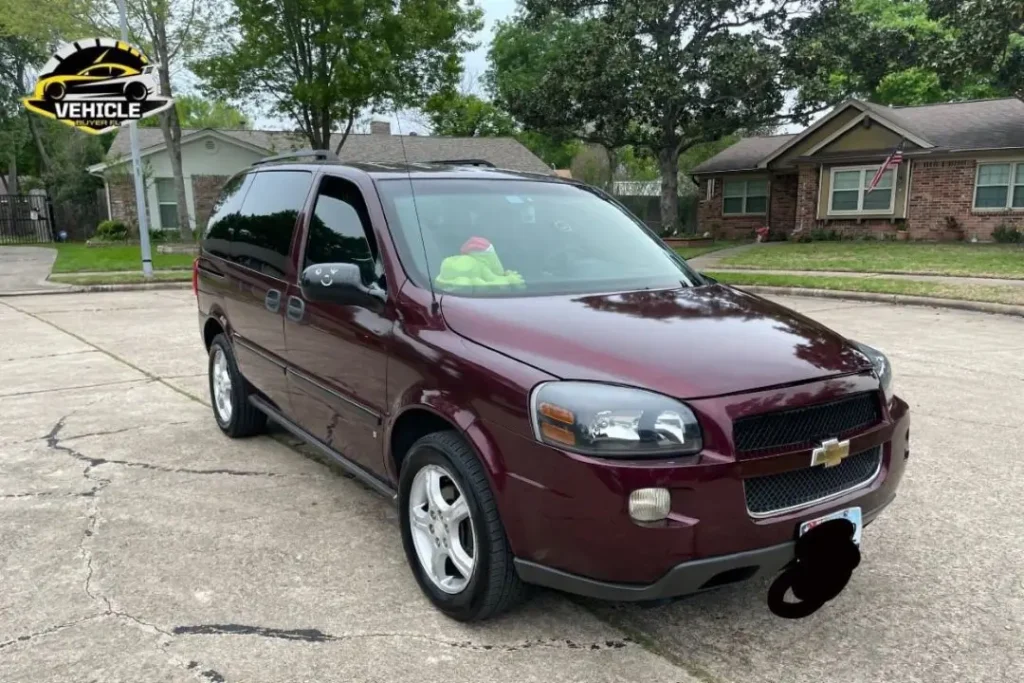
Selling a car that does not run can feel frustrating at first. Many owners assume the vehicle has little value once it stops working, especially when repair costs seem too high. However, that assumption is not always accurate. A non-running car can still attract buyers for different reasons, including parts, restoration, or scrap value.
If you approach the process with the right mindset and a clear plan, you can still get a fair price without wasting time. The key is understanding your options and choosing the method that best fits your situation.
This guide explains how to sell a car that doesn’t run, the choices you have, and how to handle each step in a practical, stress-free way.
Why Does a Non Running Car Still Have Value?
A car does not need to be in working condition to be valuable. Buyers often look beyond the vehicle’s current state and focus on what they can recover or reuse.
Some reasons your car may still hold value include:
• Working parts such as the transmission, alternator, or electronic components
• Demand from mechanics or hobbyists who repair cars
• Scrap metal value based on the weight of the vehicle
• Interior parts like seats, dashboard, or infotainment systems
• Older or rare models that collectors may want to restore
Common Reasons Cars Stop Running
Before selling your car, it helps to understand why it stopped working. This information allows you to describe the condition clearly and answer buyer questions with confidence.
Some common reasons include:
• Engine failure due to overheating or internal damage
• Battery or electrical system failure
• Transmission issues that prevent movement
• Fuel system problems that stop the engine from starting
• Long periods of inactivity or poor maintenance
You do not need to fix these issues before selling, but knowing the cause helps you present the car honestly.
4 Best Ways to Sell a Car That Doesn’t Run
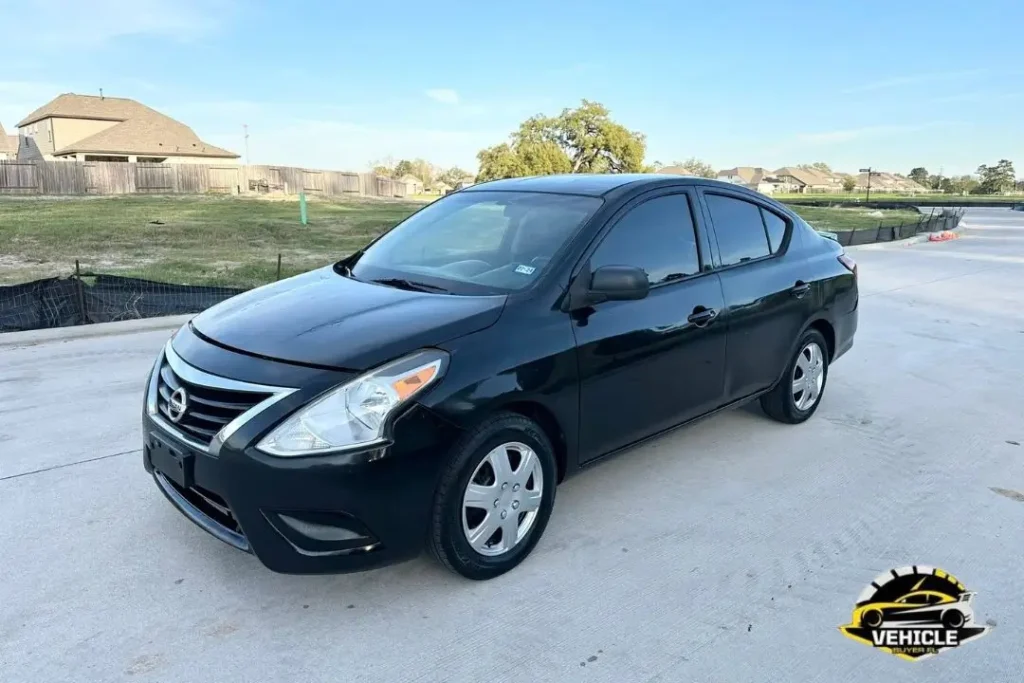
There is no single method that works for everyone. The right option depends on how quickly you want to sell and how much effort you are willing to invest.
1. Sell to a Junkyard or Scrap Buyer
Selling through junkyards or scrap buyers is usually the fastest route when a car is beyond repair. These buyers typically evaluate the vehicle based on its weight and any usable parts, allowing them to make quick offers without a lengthy inspection.
Payment is often completed immediately, and towing is commonly included, which removes extra effort from the seller’s side. The downside is that prices tend to be lower compared to other selling methods, since the focus is mainly on scrap value rather than resale potential. It generally works best when the vehicle has severe damage or very limited repair possibility.
2. Sell to a Cash for Cars Service
Cash-for-cars services are often preferred when speed and simplicity matter most. These companies purchase vehicles in almost any condition, including non-running ones, and provide quick quotes based on basic details.
The process is straightforward, and payment is usually released quickly. Sometimes on the same day. Many services also arrange free pickup, especially for cars that cannot be driven. While pricing may not always match private sales, the convenience and speed make it a practical choice for many sellers.
3. Sell Your Car Privately
If your car still has repair potential, selling it privately can be a good way to get a higher price compared to other options. Buyers looking for project cars or specific models may be willing to negotiate and pay more, depending on the condition.
This option also gives you full control over the pricing and discussions with potential buyers, which can help you maximize value if you handle it well. However, it usually requires more effort, as you need to create listings, answer questions, and manage communication until the sale is completed.
4. Sell the Car for Parts
If you are willing to invest more time and effort, selling your car for parts can sometimes yield the highest overall return. Instead of selling the car as a whole, you break it down and sell individual components, which can increase the total value if certain parts are in good condition or still in demand.
This approach is especially useful for vehicles that have valuable components such as the engine parts, electronics, or interior features. It allows you to maximize what you earn from the car, even if it is no longer running as a complete unit. However, this method is more time-consuming and may require basic tools, mechanical knowledge, and patience to manage the sale of each part separately.
How to Sell a Car That Doesn’t Run?
You can easily sell your car to us by following the steps below:
Step 1: Understand the Condition of Your Car
Start by identifying what works and what does not. Even if the engine has failed, other parts may still be functional. This gives you a better idea of how to price the car.
Step 2: Estimate the Value
Check online listings for similar vehicles. Compare prices from junkyards, cash buyers, and private sellers. This gives you a realistic expectation before you accept any offer.
Step 3: Gather Important Documents
Having the right documents ready makes the process smoother and builds trust with buyers.
You should have:
• Vehicle title as proof of ownership
• Registration documents
• Personal identification
• Service history if available
Incomplete paperwork can delay the sale, reduce buyer confidence, or delay the cash for cars Fort Lauderdale process.
Step 4: Choose the Right Selling Option
Decide whether you want speed or a higher price. If you need quick cash, direct buyers or scrap yards work best. If you want to maximize value, consider private selling or parting out the vehicle.
Step 5: Create a Clear and Honest Listing
If you choose to sell privately, describe the car honestly. Mention the exact issue and include photos from different angles. Buyers expect problems, so transparency helps build trust.
What Affects the Value of a Non-Running Car?
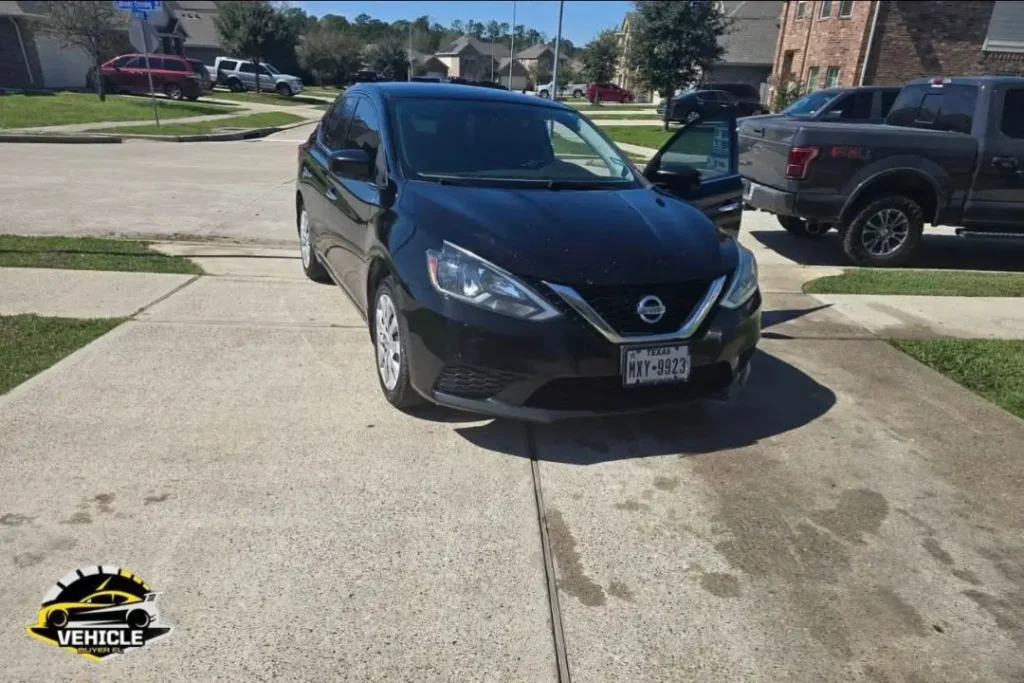
The final price of a car can vary widely depending on several important factors, and understanding these can help you set realistic expectations before selling. Elements such as the make and model, age, and total mileage play a major role in determining its market value.
In addition, the overall condition of usable parts can significantly influence how much buyers are willing to offer. Market demand for your specific vehicle type and current scrap metal prices also affect the final selling price.
Even small changes in any of these factors can create noticeable differences, which is why comparing multiple selling options is always a smart approach.
Common Mistakes to Avoid
Many sellers reduce their chances of getting a good deal by making simple mistakes.
• Accepting the first offer without comparing others
• Not researching the car’s value
• Hiding problems from buyers
• Ignoring paperwork requirements
• Forgetting to confirm towing arrangements
Avoiding these mistakes can help you get a better outcome.
How Long Does It Take to Sell a Non-Running Car?
The time it takes to sell a car depends mainly on the method you choose and how quickly buyers respond. Some options are much faster, while others require more patience depending on demand and negotiation.
Most of the time, junkyards or cash buyers can complete the process in 1 to 2 days because they focus on quick purchases and immediate evaluation. Private sales usually take longer, ranging from a few days to several weeks, because you need to find the right buyer and finalize negotiations.
Selling a car for parts generally takes the longest, as it depends on individual demand for each component. If speed is your main priority, direct buyers are usually the most efficient option.
When Selling for Cash Is the Better Option?
Selling your car for cash often makes the most sense when repairs cost more than the vehicle’s value or when the car has major mechanical issues. It is also a practical option if you need quick payment or want to avoid the long process of private selling.
Cash buyers usually purchase vehicles as-is and complete the deal quickly, which helps you save time and move forward without extra complications.
Extra Tips to Get a Better Price
Even for a non-running car, small efforts can improve your final offer.
• Clean the car before showing it to buyers
• Take clear photos in good lighting
• Keep all documents organized
• Compare multiple offers before deciding
• Be patient if you are not in a hurry
These small steps can make your car more appealing and increase buyer confidence.
Can You Sell a Non-Running Car in Florida?
Yes, you can easily sell a car that does not run in Florida. The state has a strong market for used, damaged, and salvage vehicles, so non-working cars are in regular demand. Buyers such as junkyards, salvage yards, and cash-for-cars companies operate across cities like Miami, Orlando, Tampa, and Jacksonville, making it easier for sellers to find quick offers.
Usually, you are not required to repair the vehicle before selling it. As long as you have proof of ownership, such as the title, the car can be legally transferred in its current condition. Having the right documents ready speeds up the entire process and reduces unnecessary delays.
Buyers also tend to respond more confidently when ownership and service details are clearly available.
Final Thoughts
Selling a car that does not run may seem difficult at first, but it becomes much easier once you understand your options. The key is to choose a method that matches your priorities and expectations.
If your focus is speed and convenience, direct buyers or scrap options can help you complete the sale quickly. If you are willing to invest more time, private selling or parting out the car may give you a higher return.
In the end, even a non-running car still has value. With the right approach, you can turn it into a fair deal instead of letting it sit unused using Vehicle buyerFL service.
Frequently Asked Questions
Can I sell a car that does not run?
Yes, you can sell a car even if it does not run. Many buyers are specifically interested in non-working vehicles for parts, repair projects, or scrap value, so a running condition is not required.
Do I need to repair the car before selling it?
No, repairing the car is not necessary before selling it. Most buyers, especially junkyards and cash-for-cars services, purchase vehicles in their current condition regardless of mechanical issues.
How much is a non-running car worth?
The value of a non-running car depends on several factors such as its make, model, age, condition, and usable parts. Market demand and scrap metal prices also play a big role in determining the final offer.
Who buys cars that do not run?
Non-running cars are usually bought by junkyards, cash-for-car companies, mechanics, and private buyers looking for project vehicles. Some buyers are interested in parts, while others focus on rebuilding or resale opportunities.
Do buyers provide free towing?
Yes, many buyers offer free towing or pickup services, especially cash-for-car companies and junkyards. However, it is always important to confirm this in advance so you don’t face any unexpected transportation costs.