
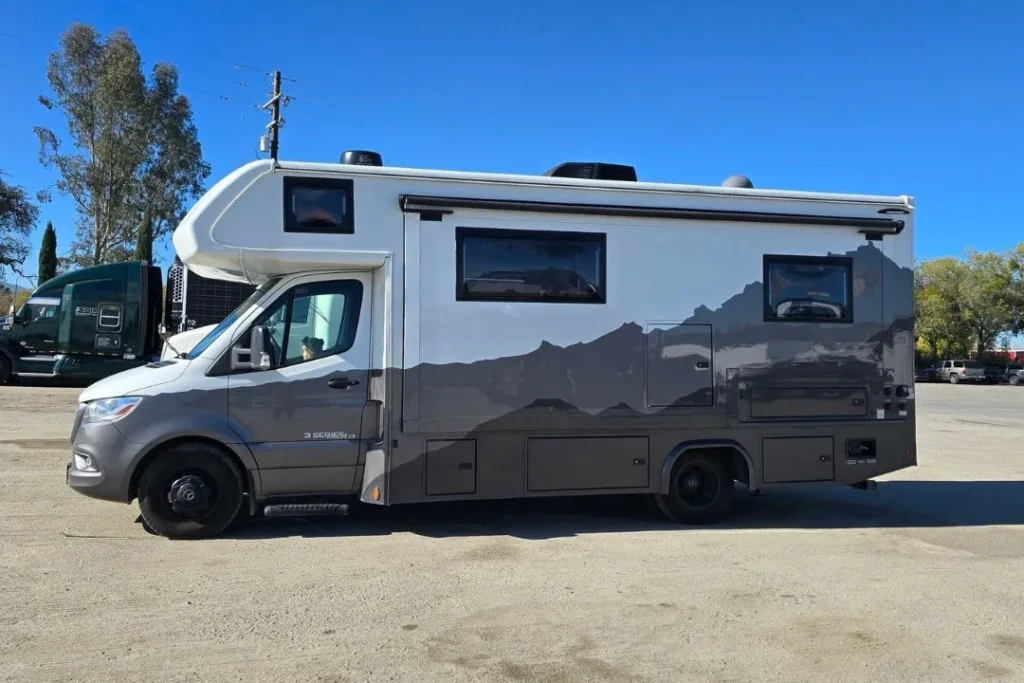
RV’s condition, location, and urgency often matter more than the calendar, especially in Florida’s year-round RV market. It is typically late winter through early summer, when buyer demand is strongest and available inventory is lowest.
Here, you’ll learn how RV prices move by season, how Florida’s snowbird and travel patterns change timing. This also affects when selling now makes more sense than waiting—particularly if your RV is old, used, damaged, or simply sitting unused.
Timing Matters When Selling an RV
RV prices fluctuate throughout the year because buyer demand is seasonal. When demand rises and inventory tightens, sellers have more leverage and fewer concessions. When demand softens, buyers become price-sensitive and negotiations drag out.
Waiting too long can also reduce value through depreciation and storage costs. Insurance, registration, storage fees, and ongoing maintenance quietly erode net profit. In many cases, the “perfect” month is less important than avoiding months of carrying costs.
The Best Months to Sell an RV (Season-by-Season Breakdown)
Timing plays a powerful role in how quickly your RV sells and how much leverage you have as a seller. Buyer motivation shifts throughout the year, especially in Florida’s climate. These seasonal patterns helps you decide whether to list now or wait.
Late Winter to Early Spring (February–April)
This period is widely considered the strongest time to sell an RV nationwide. Buyers begin planning road trips, retirees prepare for extended travel, and snowbirds get ready to move again. Demand is high while inventory is still relatively low, which shortens selling time. Clean, well-maintained RVs often receive stronger offers with less negotiation pressure.
Late Spring to Early Summer (May–June)
Demand stays strong as families shop before school breaks and summer travel begins. Sellers can still command solid pricing, especially for popular Class B and Class C RVs. Inventory starts to increase, but quality units continue to stand out. RVs in good condition can still sell quickly if priced realistically.
Mid to Late Summer (July–August)
Buyer activity slows slightly during peak heat months. Florida buyers become more cautious due to extreme temperatures and hurricane awareness, particularly near coastal storage areas. Sales still occur, but buyers scrutinize conditions more closely. Pricing often softens, and negotiation becomes more common.
Fall (September–October)
The RV market cools noticeably during early fall. Casual buyers step back, and average time on market increases. Sellers may need to adjust pricing or expectations to attract interest. This season works best for motivated sellers who value timing over maximum price.
Winter (November–January)
Private-sale demand is typically at its lowest during winter months. Most buyers are price-focused and looking for deals rather than convenience. However, professional cash buyers remain active year-round, keeping winter a practical option for fast, hassle-free sales. For sellers prioritizing speed and certainty, winter can still be an effective time to sell.
When Market Timing Matters Less Than Condition
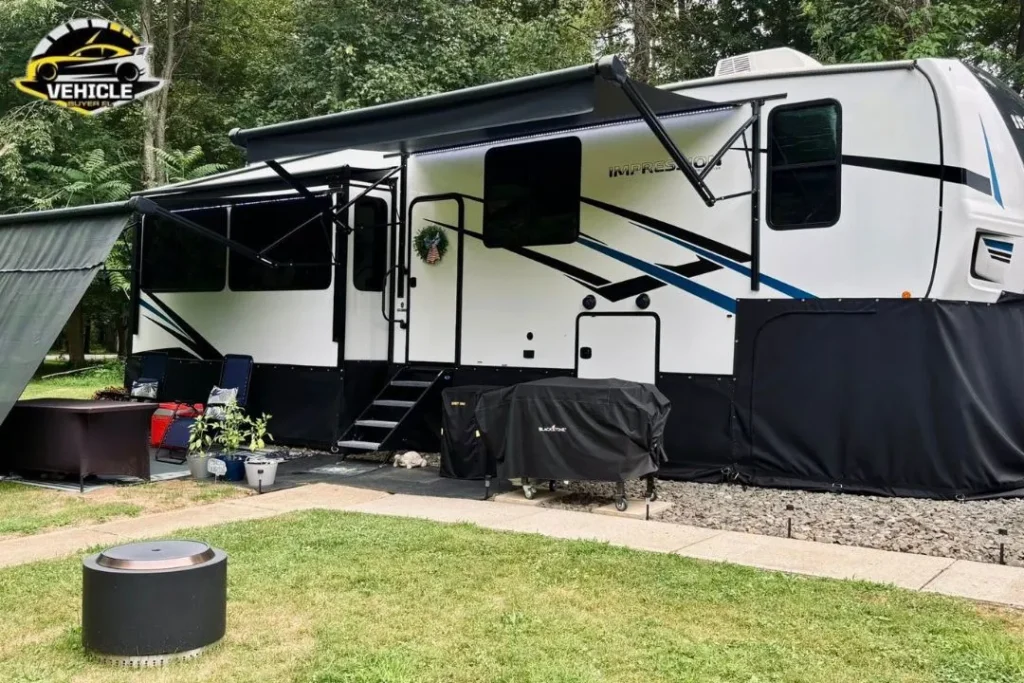
Seasonal demand can help, but condition often has a much bigger impact on what your RV is actually worth. For certain RVs, waiting for the “perfect month” does not improve the outcome. In these cases, acting sooner is usually the smarter move.
1. Selling an Old or High-Mileage RV
Depreciation accelerates as an RV ages, regardless of the season. Each year reduces buyer confidence and increases perceived repair risk. Waiting rarely raises value and often results in lower offers over time.
2. Selling a Non-Running or Damaged RV
For non-running or damaged RVs, seasonal demand has little influence on pricing. Value typically declines the longer the RV sits unused. Small mechanical or cosmetic issues often worsen, leading to steeper discounts later.
3. Flood, Water, or Roof Damage Considerations
With water-related damage, proper disclosure matters more than timing. Legal and resale risks increase the longer a damaged RV remains unsold. Selling sooner, with full transparency, helps protect you from liability and further value loss.
Private Sale vs Cash Buyer: How Timing Changes the Strategy
For many sellers, safety and certainty matter more than waiting for the perfect season. Understanding how private sales compare to cash buyers shows why timing affects each option very differently.
| Factor | Private Sale | Cash Buyer |
| Best season | Spring / early summer | Any time |
| Time to sell | Weeks or months | Same day |
| Risk | High | Very low |
| Repairs needed | Often | Not required |
| Timing dependency | High | Low |
Private sales reward ideal timing and near-perfect condition. Cash buyers remove seasonality altogether, making cash for cars safe when speed, certainty, or vehicle condition is the priority.
How to Get the Best Price Regardless of Timing
Selling an RV at the right price is less about the calendar and more about strategy. Even outside peak season, smart decisions can protect your value and speed up the sale. These steps help you maximize results in any market.
- Price realistically by anchoring your expectations to the RV’s condition and local demand rather than optimistic online listings.
- Disclose conditions clearly so buyers trust the deal, preventing renegotiation and reducing legal risk.
- Choose the right selling method by using private sales for pristine RVs and cash buyers when speed and certainty matter.
- Avoid emotional pricing and treat the sale as a financial decision to attract serious buyers faster.
- Factor in holding costs such as storage, insurance, and depreciation, which quietly reduce profit the longer you wait.
Final Verdict
The best season is late winter to early summer, but the best strategy depends on condition and urgency. For fast, risk-free sales, timing is secondary to buyer type—especially in Florida’s active market. When urgency matters, the best time to sell an RV becomes critical, and licensed vehicle buyers make selling safe and fast.
Frequently Asked Questions
When is the best month to sell an RV?
February through April usually offers the strongest buyer demand and fastest sales. Inventory is lower, giving sellers better leverage.
Is spring always the best time to sell an RV?
Spring is ideal for private sales, but it does not guarantee higher profit. Conditions and selling methods often matter more than the season.
Should I wait until summer to sell my RV?
Waiting until summer can reduce buyer urgency and soften prices. Carrying costs may outweigh any seasonal advantage.
Does selling an RV in Florida change the timing?
Yes, Florida’s snowbird activity and year-round travel keep demand steadier than most states. RVs can sell well outside traditional peak months.
Can I sell an RV in winter for a good price?
Yes, especially through cash buyers who operate year-round. Winter sales prioritize speed and certainty over peak pricing.